What is rehabilitation for older adults?
Rehabilitation is skilled care that helps a person regain function lost to an illness, injury or operation: walking, getting in and out of bed, dressing, swallowing, speaking, thinking clearly and managing daily life. For older adults it most often follows a hospital stay for a stroke, a hip fracture, a joint replacement, heart surgery, a serious infection or a long illness that left them weak (sometimes called deconditioning).
Rehab is delivered by a team. Physical therapists work on strength, balance and walking; occupational therapists on daily activities and safety at home; speech-language pathologists on swallowing, communication and cognition. Physicians, rehab nurses, social workers and case managers coordinate the plan and prepare for discharge. The goal is usually to get the person home, as independent and safe as possible, and to prevent another hospital stay.
What are the different types of rehab settings?
After a hospital stay, the discharge team will recommend one of the settings below. They differ in how much therapy you get each day, how much physician and nursing care is on site, and how Medicare pays for them.
| Setting | Who it is for | Therapy intensity | Medicare coverage |
|---|---|---|---|
| Inpatient rehabilitation facility (IRF) | People who need and can tolerate intensive therapy from more than one discipline, with close physician oversight (stroke, spinal cord or brain injury, amputation, hip fracture, some neurological conditions) | Generally 3 hours a day, at least 5 days a week | Part A, like a hospital stay: $1,736 deductible per benefit period, then $0 for days 1-60 |
| Skilled nursing facility (SNF) | People who need daily skilled nursing or therapy but not hospital-level care or intensive therapy | Typically 1 to 2 hours a day, varies by need | Part A after a 3-day inpatient stay: $0 days 1-20, $217/day days 21-100 |
| Long-term care hospital (LTCH) | Medically complex patients who need prolonged hospital-level care, such as ventilator weaning | Therapy alongside intensive medical care | Part A, like a hospital stay |
| Home health | Homebound people who need part-time skilled nursing or therapy | Visits a few times a week | Part A or B: $0 for covered services; 20% for equipment |
| Outpatient therapy | People who can travel to a clinic, hospital outpatient department or office | Sessions a few times a week | Part B: 20% coinsurance after the $283 deductible |
Inpatient rehabilitation facilities (IRFs)
An IRF is a freestanding rehab hospital or a rehab unit inside an acute hospital. Medicare covers an IRF stay when a doctor certifies that you need intensive rehabilitation, continued medical supervision and coordinated care from several therapy disciplines. Under federal rules (42 CFR 412.622), you must need active therapy from more than one discipline (one of them physical or occupational therapy), generally be able to take part in 3 hours of therapy a day at least 5 days a week, be expected to benefit measurably, and be seen face to face by a rehab physician at least 3 days a week. Read more in our guide to inpatient rehab facilities.
Skilled nursing facilities (SNFs)
Most short-term rehab for older adults happens in the rehab wing of a nursing home. A SNF provides 24-hour nursing plus physical, occupational and speech therapy at a pace that suits people who are frailer or recovering more slowly. Medicare Part A covers it only after a medically necessary inpatient hospital stay of at least three days in a row (observation days do not count). See short-term rehab after a hospital stay and our SNF vs IRF comparison.
Long-term care hospitals (LTCHs)
LTCHs treat people who are still very sick after an intensive care stay, such as those weaning from a ventilator or with complex wounds or infections. They provide therapy too, but the main need is prolonged hospital-level medical care. Medicare covers LTCH stays under Part A with the same cost sharing as a hospital stay.
Home health and outpatient therapy
If you can go home safely, therapy can continue there through a Medicare-certified home health agency (if you are homebound) or at an outpatient clinic. Many people move through more than one setting: hospital, then IRF or SNF, then home health, then outpatient therapy. Our guide to home health and outpatient rehab explains eligibility.
What therapies are part of rehab?
- Physical therapy: strength, balance, walking, transfers, stairs, pain and fall prevention.
- Occupational therapy: dressing, bathing, toileting, cooking, medication routines, adaptive equipment and home safety.
- Speech-language therapy: swallowing (dysphagia), speech, language after stroke (aphasia), memory and problem-solving.
- Cardiac rehabilitation: supervised exercise, education and counseling after a heart attack, heart surgery or with stable heart failure.
- Pulmonary rehabilitation: exercise and breathing training for moderate to very severe COPD, covered by Medicare Part B.
Some conditions call for a specialized program. Stroke rehab is the clearest example: the 2026 American Heart Association/American Stroke Association guideline recommends an IRF over a SNF for stroke survivors who qualify for and can access one.
How do you choose the right rehab setting?
- 1Ask for the clinical recommendation earlyAsk the hospital physician and therapists which level of care they recommend and why, ideally a day or two before discharge. Ask specifically whether the patient could qualify for an IRF.
- 2Match intensity to toleranceSomeone who can sit up and work for several hours a day and has a condition such as stroke usually does better in an IRF. Someone who tires quickly or has many medical problems may be better served in a SNF first.
- 3Check coverage and authorizationOriginal Medicare and Medicare Advantage plans cover the same post-acute benefits, but Advantage plans usually require prior authorization and a network facility. Read Medicare coverage for rehab.
- 4Compare qualityUse Care Compare to check discharge-to-community rates, readmissions, falls and pressure injuries. Our rehab facility checklist lists the questions to ask.
- 5Plan for homeAsk what equipment, home changes and caregiver training will be needed, and who will provide therapy after discharge.
Find inpatient rehab facilities
To see facilities near you, use our inpatient rehab finder for IRFs or the nursing home finder for skilled nursing rehab, both built from CMS data.
How does Medicare cover rehab?
| Setting | Part | Your costs |
|---|---|---|
| IRF | Part A | $1,736 deductible per benefit period (waived if already paid for a hospital stay in the same benefit period); $0 days 1-60; $434/day days 61-90; $868/day lifetime reserve days |
| SNF | Part A | $0 days 1-20; $217/day days 21-100; all costs after day 100. Requires a 3-day inpatient hospital stay |
| Home health | Part A or B | $0 for covered visits; 20% of approved amount for durable medical equipment |
| Outpatient PT, OT, speech | Part B | $283 deductible, then 20% coinsurance; KX threshold $2,480 confirms medical necessity, not a cap |
| Cardiac and pulmonary rehab | Part B | $283 deductible, then 20%; plus a hospital copayment in hospital outpatient settings |
Two rules trip families up. First, time spent "under observation" does not count toward the 3-day inpatient stay required for SNF coverage. Second, coverage does not depend on continued improvement: since the 2013 Jimmo v. Sebelius settlement, Medicare must cover skilled therapy needed to maintain function or slow decline. The full rules, including appeals, are in Medicare coverage for rehab and Medicare nursing home coverage.
Medigap plans can pay the SNF daily coinsurance and the hospital coinsurance that applies to longer IRF stays. If you are comparing plans, this guide to choosing a Medigap plan walks through the differences.
How is rehab quality measured?
CMS publishes quality data for IRFs, SNFs, home health agencies and LTCHs on Care Compare. For IRFs the measures come largely from the IRF Patient Assessment Instrument (IRF-PAI), completed at admission and discharge, and from claims. They include discharge function scores, discharge to the community, potentially preventable readmissions, falls with major injury, new or worsened pressure injuries, and infections such as CAUTI and C. diff. Nursing homes report parallel short-stay measures; see short-stay quality measures.
For professionals: building a stronger rehab program
- Track discharge-to-community and 30-day readmission rates monthly and review every return to hospital (see avoidable hospitalizations).
- Screen every new admission for fall risk, swallowing and cognition within the first day, and build the results into the care plan.
- Document skilled need, not just progress, so maintenance therapy under Jimmo is defensible.
- Give families a written discharge plan with equipment, home exercise program and follow-up appointments.
- Link rehab goals to mobility and falls work in your QAPI program (see mobility and falls prevention).
Rehabilitation guides in this section
In this guide
 Inpatient rehab facilitiesAn inpatient rehabilitation facility (IRF) is a rehab hospital or unit giving intensive therapy, generally 3…
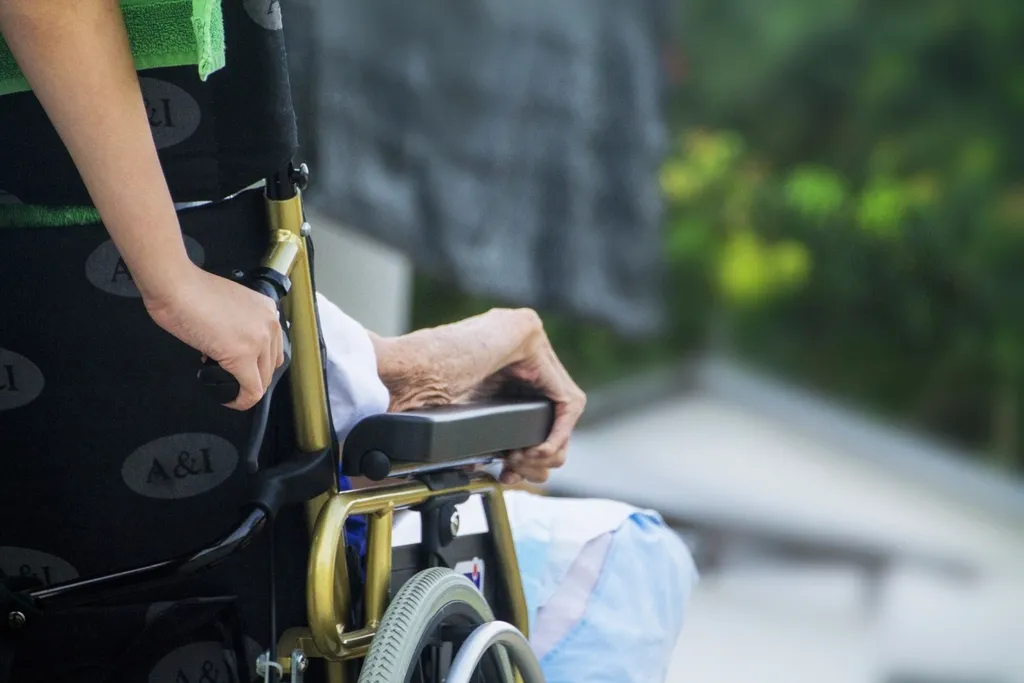 Short-term rehabShort-term rehab after a hospital stay usually means a few weeks in a nursing home rehab unit, with daily…
 SNF vs IRFAn inpatient rehab facility (IRF) gives about 3 hours of therapy a day under a rehab physician; a skilled…
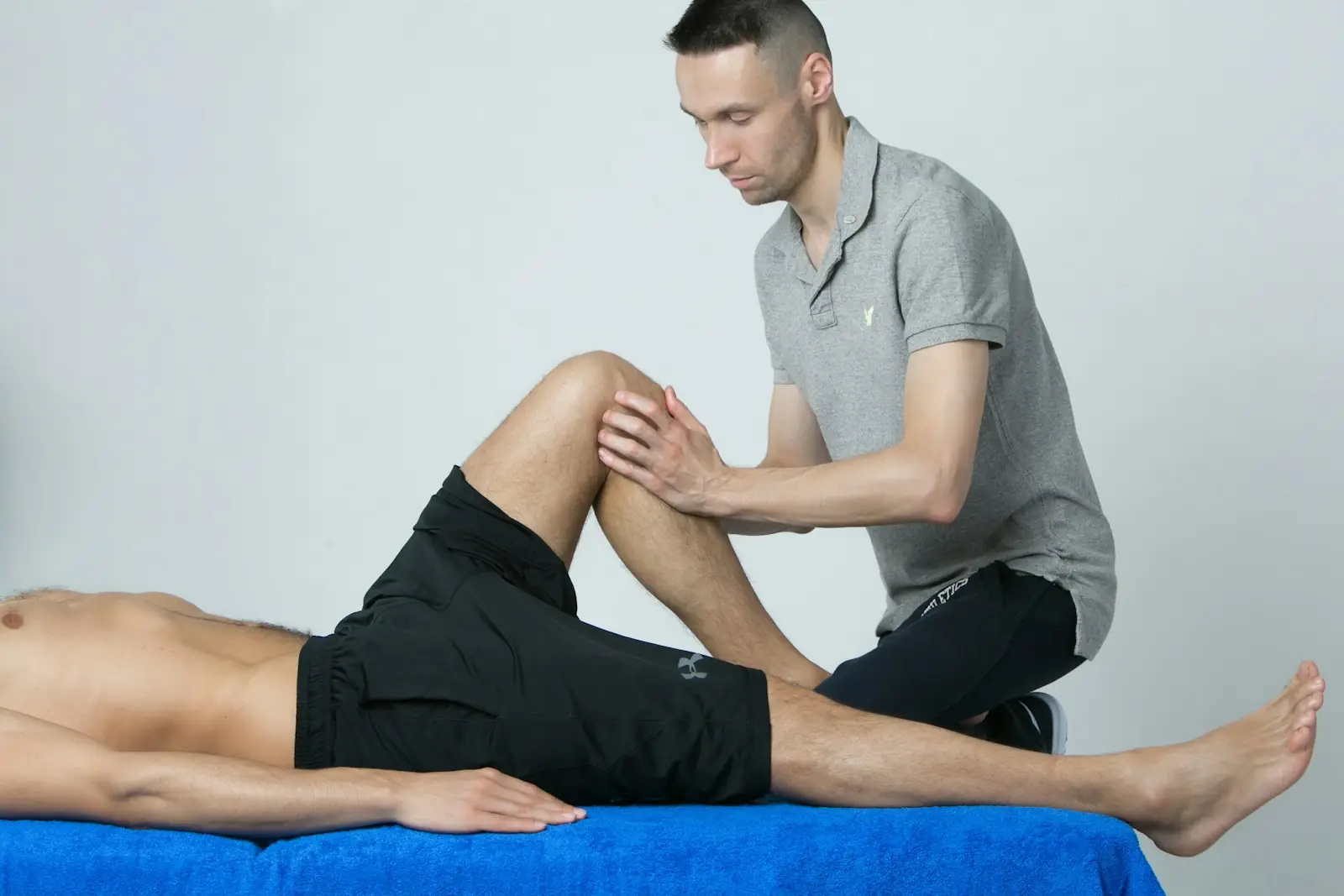 Physical therapyPhysical therapy helps older adults rebuild strength, balance and walking after illness, injury or surgery…
 Occupational therapyOccupational therapy helps older adults get back to everyday tasks such as dressing, bathing, toileting…
 Speech therapySpeech-language pathologists treat swallowing problems (dysphagia), speech and language disorders such as…
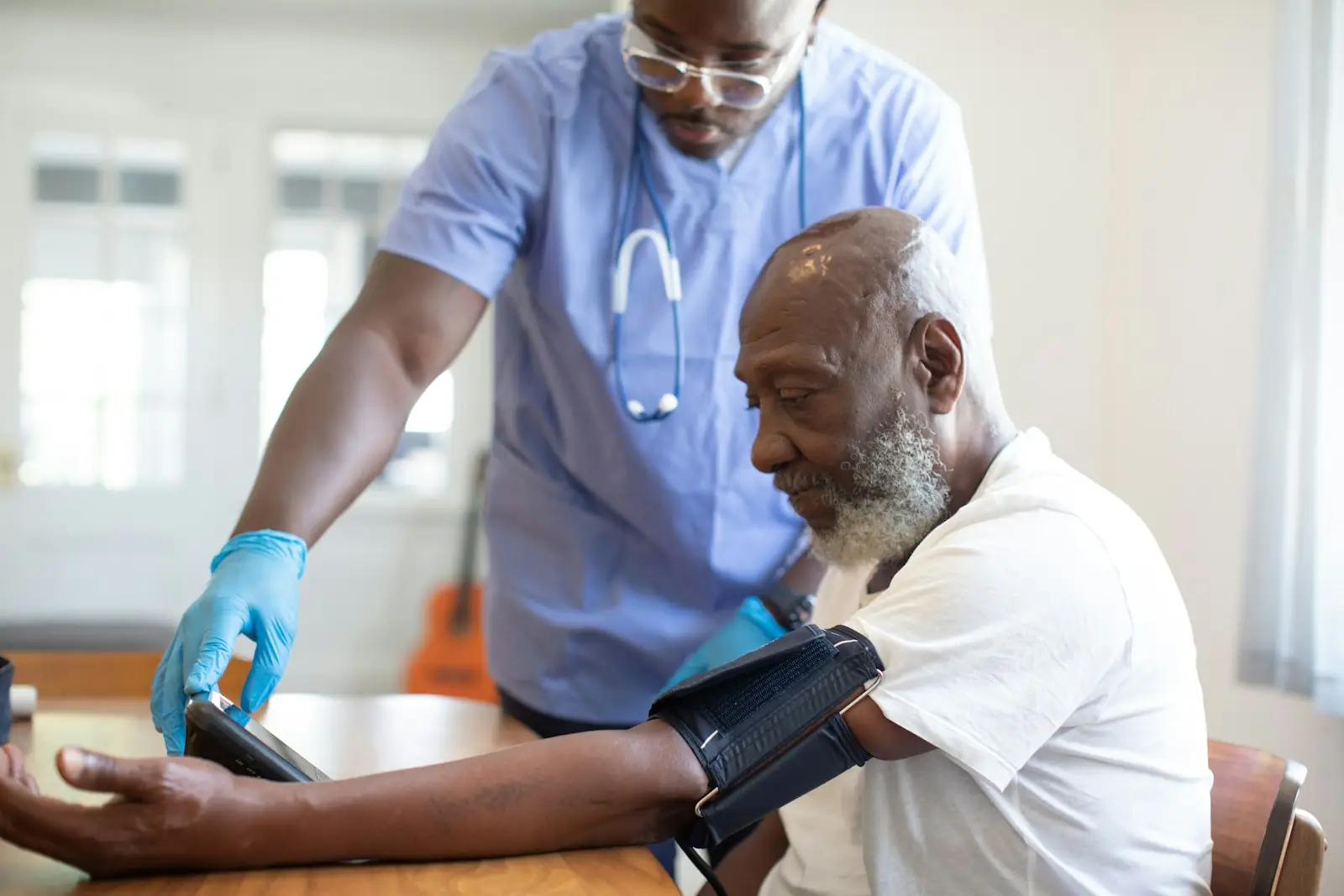 Cardiac rehabCardiac rehab is supervised exercise, education and counseling after a heart attack, heart surgery or…
 Stroke rehabStroke rehab starts in the hospital once the person is medically stable, and an inpatient rehab facility is…
 Medicare coverage for rehabMedicare covers medically necessary rehab in every setting, but the rules and costs differ for each.
 Home health and outpatient rehabAfter discharge, therapy can continue at home through Medicare home health if you are homebound, or at an…
 Choosing a rehab facilityTo choose a rehab facility, decide the right level of care, then compare three nearby options on Care Compare…
Frequently asked questions
What is the difference between inpatient rehab and a skilled nursing facility?
An inpatient rehab facility is a hospital-level setting that provides intensive therapy, generally 3 hours a day at least 5 days a week, with a rehab physician visiting at least 3 days a week. A skilled nursing facility offers 24-hour nursing and lower-intensity daily therapy. IRFs suit people who can tolerate and benefit from intensive therapy; SNFs suit people who need a slower pace.
Does Medicare cover rehab after a hospital stay?
Yes, if you meet the rules. Part A covers inpatient rehab facility care when a doctor certifies you need intensive rehab, and skilled nursing facility care after a 3-day inpatient hospital stay, for up to 100 days per benefit period. Part A or B covers home health, and Part B covers outpatient therapy at 20% coinsurance after the deductible.
How long does rehab last for an older adult?
It depends on the condition and setting. The average Medicare stay in an inpatient rehab facility was 12.4 days in 2024, according to MedPAC. Skilled nursing rehab often lasts a few weeks, and Medicare covers up to 100 days only while daily skilled care is needed. Many people continue therapy at home or as outpatients afterward.
Do you need a hospital stay to go to inpatient rehab?
No. Medicare does not require a prior 3-day hospital stay for inpatient rehab facility coverage; that rule applies to skilled nursing facilities. Most IRF patients do come straight from the hospital, which also means no new Part A deductible if one was already paid in the same benefit period.
Can I choose which rehab facility I go to?
Yes. You have the right to choose among facilities that have a bed and accept your coverage. Hospitals must give you a list of available post-acute providers and should not steer you to one. Medicare Advantage members usually need a network facility and prior authorization.
What happens if rehab is not helping?
Talk with the team about goals and barriers first. Medicare does not require improvement to keep covering skilled therapy; it covers skilled care needed to maintain function or prevent decline. If coverage is ending, you will get a written notice and can ask for a fast appeal from the Beneficiary and Family Centered Care Quality Improvement Organization (BFCC-QIO).
Get help finding rehab after a hospital stay
Talk with a licensed agent about Medicare coverage for inpatient rehab and skilled nursing. Or call 1-800-MEDIGAP (1-800-633-4427).
Sources
- Medicare.gov: Inpatient rehabilitation care
- Medicare.gov: Skilled nursing facility care
- CMS: 2026 Medicare Parts A and B premiums and deductibles
- 42 CFR 412.622: IRF coverage criteria (Cornell LII)
- MedPAC: Inpatient rehabilitation facilities payment system (Payment Basics)
- CMS: Therapy services (KX threshold)
Medical disclaimer. This page is general education, not medical, legal or financial advice, and it does not replace the judgment of a qualified clinician who knows the resident. Do not start, stop or change any medication without talking to the prescriber. In an emergency, call 911.
Medicare disclaimer. We do not offer every plan available in your area. Any information we provide is limited to those plans we do offer in your area. Please contact Medicare.gov or 1-800-MEDICARE (TTY 1-877-486-2048), 24 hours a day, 7 days a week, to get information on all of your options.
NHQualityCampaign.org is not connected with or endorsed by the U.S. government or the federal Medicare program. Calls to 1-800-MEDIGAP (1-800-633-4427) are answered by licensed insurance agents, not by Medicare or CMS.
Independent resource. NHQualityCampaign.org is an independent educational resource. It is not affiliated with, endorsed by or operated by the Centers for Medicare & Medicaid Services (CMS), the U.S. Department of Health and Human Services (HHS), any government agency, or the original Advancing Excellence in America’s Nursing Homes campaign or its sponsors. Historical campaign information is summarized with attribution for educational purposes.
Related reading
- Inpatient rehab facilitiesAn inpatient rehabilitation facility (IRF) is a rehab hospital or unit giving intensive therapy, generally 3…
- SNF vs IRFAn inpatient rehab facility (IRF) gives about 3 hours of therapy a day under a rehab physician; a skilled…
- Medicare coverage for rehabMedicare covers medically necessary rehab in every setting, but the rules and costs differ for each.
 Inpatient rehab near meSearch by ZIP code or state to find Medicare-certified inpatient rehabilitation facilities (IRFs) and compare…
 Nursing homes near meEnter your ZIP code or city to see every Medicare- and Medicaid-certified nursing home nearby, with CMS star…
- Short-term rehabShort-term rehab after a hospital stay usually means a few weeks in a nursing home rehab unit, with daily…