
What is home health rehab?
Home health is skilled care delivered in your home by a Medicare-certified agency: physical therapy, occupational therapy, speech therapy, skilled nursing, medical social services and part-time aide help. For many people leaving a hospital, IRF or skilled nursing facility, it is the next step toward full independence. Therapy at home has an advantage: the therapist trains you in the real bathroom, kitchen and stairs you use every day.
Who qualifies for home health under Medicare?
- You are homebound. Leaving home is not recommended because of your condition, or you need help (a person, a device such as a walker or wheelchair, or special transport) to leave; and leaving home takes a considerable and taxing effort. You can still leave for medical care, religious services, adult day care and short, infrequent outings such as a haircut.
- You need part-time or intermittent skilled services: skilled nursing, physical therapy, speech-language pathology, or continuing occupational therapy.
- You had a face-to-face encounter with a doctor or allowed practitioner related to the reason for home health.
- You are under a plan of care set up and reviewed by your doctor or practitioner, delivered by a Medicare-certified agency.
There is no 3-day hospital stay requirement and no fixed number of visits; care continues while you qualify. Skilled nursing and aide care combined is usually limited to under 8 hours a day and 28 hours a week. Medicare does not cover 24-hour care at home or custodial care alone.
What does home health therapy look like?
- 1Start-of-care visitA nurse or therapist completes an assessment (the OASIS) and reviews your home, medications and goals.
- 2Regular visitsTherapists usually visit a few times a week. Each visit focuses on goals such as walking safely indoors, getting in and out of the shower, or climbing the front steps.
- 3Home exercise programYou practise between visits; caregivers learn how to help.
- 4DischargeWhen you meet your goals or are no longer homebound, the agency discharges you, often with a referral to outpatient therapy.
When is outpatient rehab the better choice?
Outpatient therapy suits people who can get to a clinic, hospital outpatient department, therapist's private practice or comprehensive outpatient rehabilitation facility. Clinics have more equipment and can push intensity further, which helps with walking endurance, return to driving and community activities. Specialized programs, such as cardiac rehab, pulmonary rehab, vestibular (dizziness) therapy and lymphedema care, are mostly outpatient.
| Feature | Home health | Outpatient therapy |
|---|---|---|
| Where | Your home | Clinic, hospital outpatient department, office |
| Eligibility | Homebound plus skilled need | Medically necessary therapy; not required to be homebound |
| Medicare cost (2026) | $0 for covered visits | 20% after $283 Part B deductible |
| Best for | Early recovery; real-home training | Building endurance and community function |
| Typical frequency | A few visits a week | 2 to 3 sessions a week |
How does Medicare pay for outpatient therapy?
Part B covers outpatient physical, occupational and speech therapy when a physician or other qualified practitioner certifies the plan of care. After the $283 deductible in 2026, you pay 20% of the approved amount (plus any hospital outpatient copayment where applicable). There is no annual cap. The 2026 KX modifier threshold is $2,480 for PT and speech combined and $2,480 for OT; above it, the therapist confirms continued medical necessity. Skilled maintenance therapy is covered under the Jimmo settlement. Details are in Medicare coverage for rehab.
How do you choose a home health agency or outpatient clinic?
- Check home health agencies on Care Compare, which shows quality and patient survey star ratings and measures such as improvement in walking and bathing.
- Ask how soon the first visit will happen after discharge; delays are common and risky.
- Ask whether the same therapist will see you each visit and how to reach the agency after hours.
- For outpatient clinics, ask whether they treat older adults with your condition, how long sessions are, and whether a licensed therapist (not only an aide) provides treatment.
- Confirm network status if you have Medicare Advantage, and whether prior authorization is needed.
Equipment matters too: walkers, wheelchairs, hospital beds and commodes are covered as durable medical equipment under Part B. See our guide to Medicare DME coverage and the main rehabilitation guide for the full picture, plus physical therapy and occupational therapy.
Frequently asked questions
What does homebound mean for Medicare?
You are homebound if leaving home is not recommended because of your condition or you need help, a device or special transport to leave, and leaving takes a considerable and taxing effort. You can still leave for medical care, religious services, adult day care and occasional short outings without losing homebound status.
How long will Medicare pay for home health therapy?
There is no fixed limit. Medicare covers home health in 30-day periods for as long as you remain homebound, need skilled care and your doctor or practitioner recertifies the plan of care. Covered visits cost $0. Care ends when you reach your goals or no longer qualify.
Do you need a hospital stay to get home health?
No. Unlike skilled nursing facility coverage, Medicare home health does not require a prior hospital stay. You need a face-to-face encounter with a doctor or allowed practitioner, a skilled need, homebound status and a plan of care with a Medicare-certified agency.
Can I get outpatient therapy while receiving home health?
Generally not under Medicare. While you are under a home health plan of care, therapy is part of the home health benefit, and outpatient therapy claims are usually not paid separately. Ask the agency to discharge you, then start outpatient therapy.
Is outpatient rehab covered by Medicare?
Yes. Part B covers medically necessary outpatient physical, occupational and speech therapy at 20% of the approved amount after the deductible ($283 in 2026). There is no annual cap, but above $2,480 your therapist must confirm continued medical necessity in your records.
Get help finding rehab after a hospital stay
Talk with a licensed agent about Medicare coverage for inpatient rehab and skilled nursing. Or call 1-800-MEDIGAP (1-800-633-4427).
Sources
Medical disclaimer. This page is general education, not medical, legal or financial advice, and it does not replace the judgment of a qualified clinician who knows the resident. Do not start, stop or change any medication without talking to the prescriber. In an emergency, call 911.
Medicare disclaimer. We do not offer every plan available in your area. Any information we provide is limited to those plans we do offer in your area. Please contact Medicare.gov or 1-800-MEDICARE (TTY 1-877-486-2048), 24 hours a day, 7 days a week, to get information on all of your options.
NHQualityCampaign.org is not connected with or endorsed by the U.S. government or the federal Medicare program. Calls to 1-800-MEDIGAP (1-800-633-4427) are answered by licensed insurance agents, not by Medicare or CMS.
Independent resource. NHQualityCampaign.org is an independent educational resource. It is not affiliated with, endorsed by or operated by the Centers for Medicare & Medicaid Services (CMS), the U.S. Department of Health and Human Services (HHS), any government agency, or the original Advancing Excellence in America’s Nursing Homes campaign or its sponsors. Historical campaign information is summarized with attribution for educational purposes.
Related reading
 RehabilitationRehab after an illness, injury or surgery can happen in an inpatient rehab facility, a nursing home, at home…
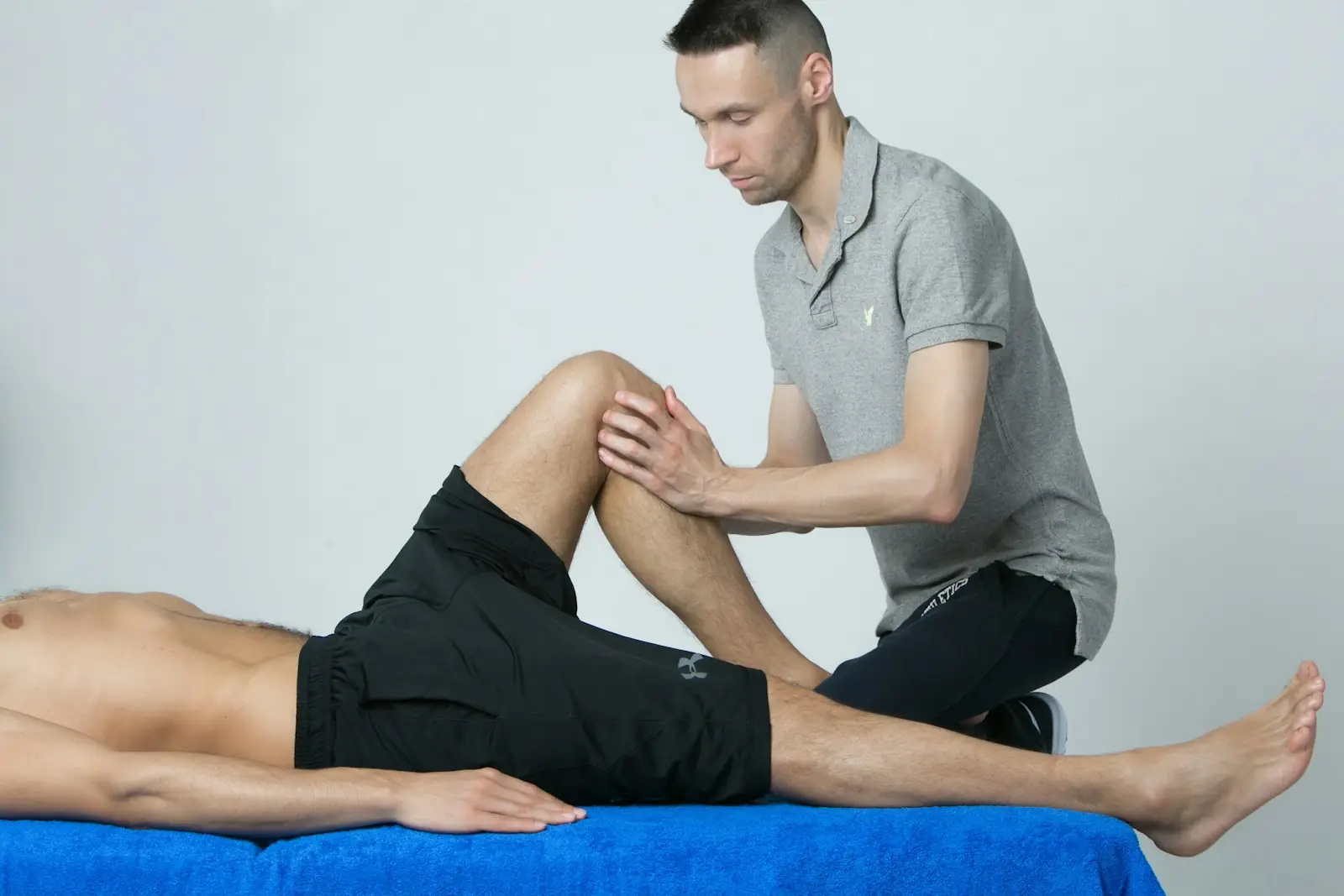 Physical therapyPhysical therapy helps older adults rebuild strength, balance and walking after illness, injury or surgery…
 Medicare coverage for rehabMedicare covers medically necessary rehab in every setting, but the rules and costs differ for each.
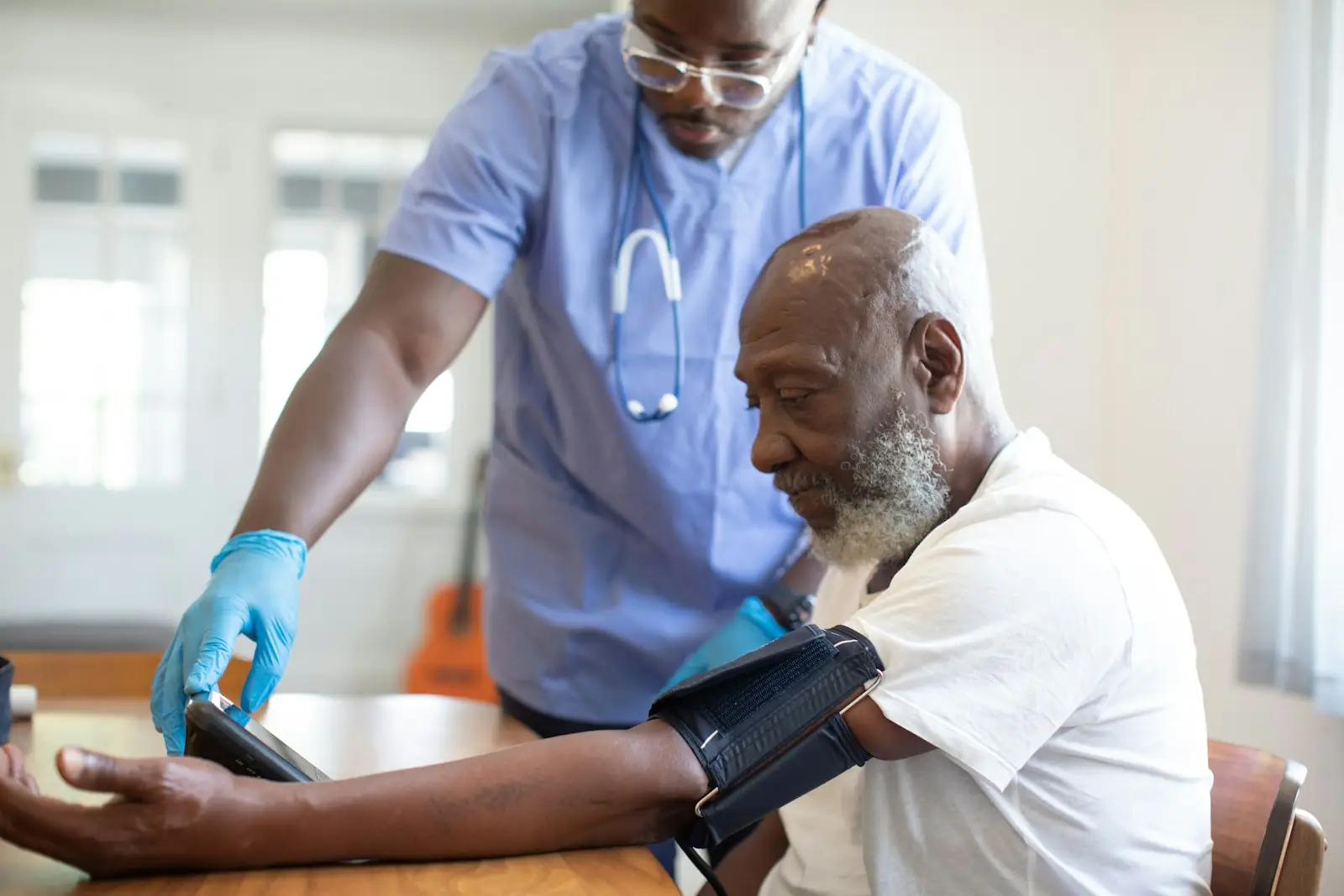 Home care vs home healthHome health is skilled care Medicare covers for homebound people; home care is non-medical help with daily…
 Inpatient rehab facilitiesAn inpatient rehabilitation facility (IRF) is a rehab hospital or unit giving intensive therapy, generally 3…
 Short-term rehabShort-term rehab after a hospital stay usually means a few weeks in a nursing home rehab unit, with daily…