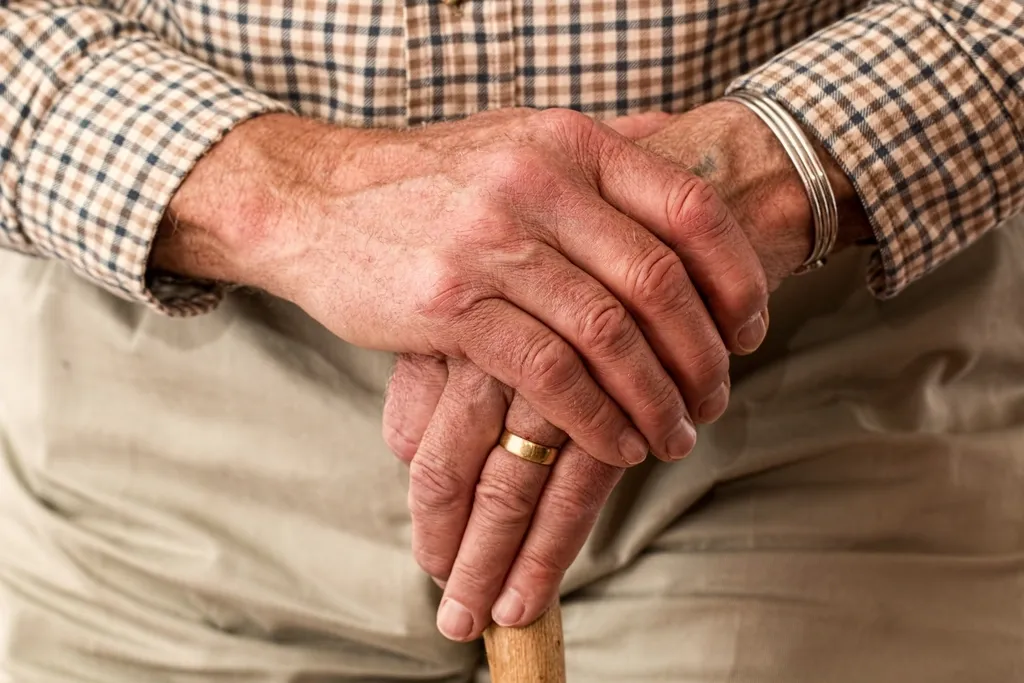
Why do nursing home residents fall?
Falls usually have several causes at once. Common contributors include muscle weakness and poor balance, dementia, urgency to use the toilet, low blood pressure on standing, poor vision, foot problems, unsafe footwear, clutter, poor lighting, and medications that cause drowsiness or dizziness. Transitions are risky: the first weeks after admission or a hospital return, and times of day when staff are stretched.
CDC reports that more than 14 million adults 65 and older, about one in four, report falling each year, and that fall deaths among older adults have been rising. In a nursing home, a fall with a hip fracture or head injury can mean surgery, hospitalization and permanent loss of independence.
How is the falls with major injury measure calculated?
Care Compare reports the Percent of Residents Experiencing One or More Falls with Major Injury for long-stay residents. A resident counts if any MDS assessment in the look-back scan (the most recent assessment and qualifying assessments in the prior 275 days) codes item J1900C, falls with major injury, as one or more. The RAI manual describes major injury with examples such as bone fractures, joint dislocations, closed head injuries with altered consciousness and subdural hematoma.
What does F689 require?
Under 42 CFR 483.25(d), surveyed as F689, the facility must keep the environment as free of accident hazards as possible and provide each resident with adequate supervision and assistance devices to prevent accidents. Surveyors look for a process: identify hazards and individual risks, evaluate and analyze them, put interventions in place, and monitor and modify. A fall is not automatically a deficiency, but repeated falls with the same unaddressed cause often are. Bed rails are addressed separately under F700, which requires trying alternatives first, assessing entrapment risk and obtaining informed consent.
How should staff run a post-fall huddle?
A post-fall huddle happens as soon as the resident is safe and assessed, at the bedside or nearby, with the nurse, the nursing assistant who knows the resident and anyone who witnessed the fall. Keep it to about 10 to 15 minutes and focus on cause, not blame.
- What was the resident trying to do? (Reach the toilet, find something, get out of bed, walk to someone?)
- Where, when and how did they fall? What were they wearing on their feet?
- Was anything different today: new medication, illness, pain, poor sleep, low intake, a room change?
- What does the resident say happened? What does the family say about their usual routine?
- What was the root cause, and what single change would most likely prevent a repeat?
- Who will do it, by when, and how will we tell the next shift?
Log every fall with time, location, activity and cause, then look for patterns monthly by unit and shift. AHRQ's Falls Management Program and its On-Time falls reports offer free tools for this. For structured analysis of serious falls, use the root cause analysis guide and the tracking tools, and feed results into QAPI.
Which medications raise fall risk?
CDC's STEADI initiative (Stopping Elderly Accidents, Deaths and Injuries) was built for clinicians caring for older adults, and its approach applies in nursing homes: screen, assess risk factors, and intervene, with medication review as a core step. Drugs that commonly increase fall risk include sedative-hypnotics, benzodiazepines, antipsychotics, antidepressants, opioids, anticonvulsants, and blood pressure medicines that cause dizziness on standing. The monthly pharmacist drug regimen review is a natural point to flag them. See medication management.
Do bed alarms and restraints prevent falls?
No. Position-change alarms sound only after a resident is already moving, can disturb sleep and cause agitation, and can lead staff to rely on noise instead of knowing residents' routines. Depending on their effect on a resident, alarms can even meet the definition of a restraint. Physical restraints and bed rails used to keep residents in bed raise the risk of serious injury and entrapment, accelerate weakness, and do not reduce falls. Facilities that reduced alarms and restraints have generally replaced them with better-known causes: scheduled toileting, purposeful rounding, low beds with mats where appropriate, and meaningful activity.
What can families do?
- Ask for your relative's fall risk assessment and the specific interventions in the care plan.
- After a fall, ask what caused it and what changed as a result, not just whether they were hurt.
- Bring well-fitting shoes with non-slip soles, and glasses and hearing aids in good repair.
- Tell staff about routines: when they usually wake, use the toilet or get restless.
- Ask whether any new medication could be adding to unsteadiness.
Falls prevention works hand in hand with mobility programs and staff stability. Return to the quality improvement hub or see non-drug approaches in dementia care.
Frequently asked questions
What is a fall with major injury on the MDS?
On the MDS, a fall with major injury is coded at item J1900C. The RAI manual gives examples such as bone fractures, joint dislocations, closed head injuries with altered consciousness and subdural hematoma. Care Compare uses this item to report the percentage of long-stay residents with one or more falls with major injury.
What is F689?
F689 is the federal survey tag for accidents and supervision under 42 CFR 483.25(d). It requires the nursing home to keep the environment as free from accident hazards as possible and to give each resident adequate supervision and assistance devices to prevent accidents. Surveyors look at whether risks were identified, addressed, monitored and revised.
What is a post-fall huddle?
A post-fall huddle is a short team meeting held right after a fall, once the resident is safe. Staff who know the resident discuss what the person was trying to do, what contributed to the fall and what single change would prevent a repeat. The findings update the care plan and are shared with the next shift.
Do bed alarms prevent falls in nursing homes?
Evidence does not show that bed and chair alarms prevent falls. They alert staff only once the resident is already moving, can disturb sleep and cause distress, and may function as a restraint for some residents. Many facilities have reduced alarm use and focus instead on routines, toileting schedules, rounding and treating underlying causes.
What should a nursing home do after a resident falls?
Staff should check for injury before moving the resident, get medical evaluation as needed, monitor for delayed signs of head injury, notify the physician and family, hold a post-fall huddle to identify causes, and update the care plan. A repeat fall with the same unaddressed cause is a warning sign worth raising at a care plan meeting.
Which medications increase fall risk in older adults?
Common culprits include sleep medicines, benzodiazepines, antipsychotics, antidepressants, opioids, some anticonvulsants, and blood pressure medicines that cause dizziness on standing. Risk rises with the number of these drugs. Families should ask the care team whether a medication review has been done, rather than stopping anything themselves.
Get help choosing care or coverage
Talk with a licensed agent about Medicare, Medigap, Medicare Advantage and ways to pay for a nursing home stay. Or call 1-800-MEDIGAP (1-800-633-4427).
Sources
Medical disclaimer. This page is general education, not medical, legal or financial advice, and it does not replace the judgment of a qualified clinician who knows the resident. Do not start, stop or change any medication without talking to the prescriber. In an emergency, call 911.
Independent resource. NHQualityCampaign.org is an independent educational resource. It is not affiliated with, endorsed by or operated by the Centers for Medicare & Medicaid Services (CMS), the U.S. Department of Health and Human Services (HHS), any government agency, or the original Advancing Excellence in America’s Nursing Homes campaign or its sponsors. Historical campaign information is summarized with attribution for educational purposes.
Related reading
 MobilityNursing homes protect mobility by getting residents up, walking and doing as much for themselves as they…
 Physical restraintsFederal law gives nursing home residents the right to be free from physical restraints used for discipline or…
 Medication managementSafe nursing home medication management means every drug has a clear reason, gets a monthly pharmacist…
- Root cause analysisRoot cause analysis (RCA) is a team method for finding the system and process failures behind an adverse…
 Quality ImprovementNursing home quality improvement is the ongoing, data-driven work of making resident care safer and daily…
 Person-centered carePerson-centered care means a resident's own preferences and goals shape daily routines, meals, activities and…