
Step 1: Choose the right level of care
Before comparing individual facilities, be clear on the type of setting. An inpatient rehab facility fits people who need several therapies and can manage about 3 hours a day. A skilled nursing facility fits those who need a slower pace. If home is safe, home health or outpatient therapy may be enough. Our SNF vs IRF guide explains the trade-offs.
Step 2: Compare quality on Care Compare
| Measure | IRFs | SNFs (nursing homes) | Why it matters |
|---|---|---|---|
| Star ratings | Not available | Overall, health inspections, staffing, quality measures | Quick screen of overall performance |
| Discharge to community | Yes | Yes | Shows how often patients go home and stay there |
| Potentially preventable readmissions | Yes (within stay and 30 days after) | Yes | High rates can signal missed problems or rushed discharges |
| Discharge function score | Yes | Yes | How much patients gained in mobility and self-care |
| Falls with major injury | Yes | Yes | Safety |
| New or worsened pressure injuries | Yes | Yes | Nursing quality |
| Infections (CAUTI, C. diff) | Yes (NHSN) | Some measures | Infection control |
| Staffing and inspections | Not shown in the same way | Yes | Staffing hours and turnover; citations from surveys |
Compare each facility to the national rate and to the others on your list rather than focusing on one number. For nursing homes, our guides to five-star ratings and short-stay measures explain each score; how to use Care Compare walks through the site.
Find inpatient rehab facilities
Start your shortlist with our inpatient rehab finder or nursing home finder.
Step 3: Questions to ask a rehab facility
Therapy
- How many minutes of therapy a day do patients like mine usually get, and on how many days a week?
- Is therapy offered on weekends?
- Is therapy mostly one to one? How often are group or concurrent sessions used?
- Do you have experience with this condition (stroke, hip fracture, heart surgery, amputation)?
- Are therapists employed by the facility or contracted, and is there therapy staff turnover?
Medical and nursing care
- Who is the physician, and how often will they see my family member? (In an IRF, a rehab physician must visit at least 3 days a week.)
- What is the nurse-to-patient ratio on day and night shifts?
- How do you handle a change in condition at night or on weekends?
- What is your rate of return to hospital, and what do you do to prevent it?
Family involvement and discharge
- When is the first care plan or team meeting, and can family join?
- Will you train caregivers before discharge?
- Who arranges equipment, home health and follow-up appointments?
- What percentage of your patients go home?
Coverage
- Are you in my Medicare Advantage plan's network, and have you received prior authorization?
- What costs will we owe, and when does the daily coinsurance start?
- What happens if Medicare coverage ends but my family member is not ready to go home?
For a longer printable list, see nursing home tour questions.
Red flags when visiting a rehab facility
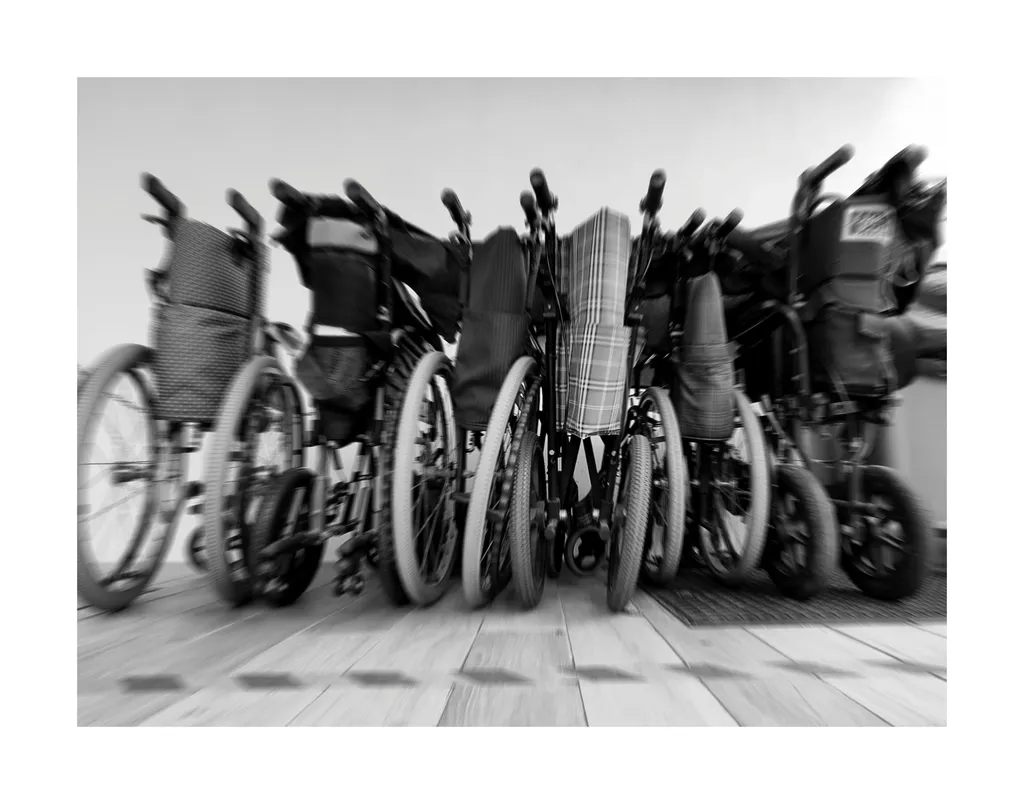
- Patients left in bed or in wheelchairs in hallways for most of the day.
- A therapy gym that is empty or crowded with patients waiting during peak hours.
- Call lights ringing for long periods; staff who cannot say who is in charge.
- Strong odors, unclean rooms or unanswered questions about infection control.
- Vague answers about therapy minutes, physician visits or discharge rates.
- Pressure to decide on the spot, or claims that Medicare "only pays for 20 days."
- A health inspection record with serious or repeated citations, or Special Focus Facility status (see special focus facilities).
Step 4: Make the decision and confirm the details
- 1Rank your top choicesWeigh quality data, therapy intensity, distance for visiting family and how your questions were answered.
- 2Tell the hospital case managerGive your first and second choices in writing; bed availability can change by the hour.
- 3Confirm coverageCheck Medicare rules and your plan's authorization; see Medicare coverage for rehab.
- 4Prepare for day oneSend a list of medications, goals, prior function and contact details. Bring clothing and shoes for therapy.
Frequently asked questions
How do I find the best rehab facility near me?
Decide whether you need an inpatient rehab facility or skilled nursing rehab, then use Medicare's Care Compare to list nearby options and compare discharge to community, readmissions, falls and pressure injuries. Call or visit your top three with a short list of questions about therapy, physician visits and discharge planning.
Do inpatient rehab facilities have star ratings?
No. Care Compare shows individual quality measures for inpatient rehab facilities, compared with the national rate, rather than star ratings. Nursing homes, which provide most skilled nursing rehab, have overall, inspection, staffing and quality star ratings plus short-stay measures for rehab patients.
What questions should I ask a rehab facility?
Ask how many therapy minutes and days a week are typical, whether therapy happens on weekends, how often a physician visits, nurse staffing levels, the facility's readmission and discharge-home rates, how families are trained, and whether it is in your Medicare Advantage network if you have one.
Can the hospital choose a rehab facility for me?
No. Hospitals must respect your choice among available post-acute providers and give you a list of options, along with relevant quality information. They can recommend a level of care and help you find a bed, but the final choice of facility is yours, within your coverage rules.
What are red flags in a rehab facility?
Warning signs include patients left in bed for long periods, unanswered call lights, vague answers about therapy time or physician visits, poor cleanliness, high readmission rates and serious inspection citations. Trust what you see on a visit as well as the data.
Get help finding rehab after a hospital stay
Talk with a licensed agent about Medicare coverage for inpatient rehab and skilled nursing. Or call 1-800-MEDIGAP (1-800-633-4427).
Sources
Medical disclaimer. This page is general education, not medical, legal or financial advice, and it does not replace the judgment of a qualified clinician who knows the resident. Do not start, stop or change any medication without talking to the prescriber. In an emergency, call 911.
Independent resource. NHQualityCampaign.org is an independent educational resource. It is not affiliated with, endorsed by or operated by the Centers for Medicare & Medicaid Services (CMS), the U.S. Department of Health and Human Services (HHS), any government agency, or the original Advancing Excellence in America’s Nursing Homes campaign or its sponsors. Historical campaign information is summarized with attribution for educational purposes.
Related reading
 RehabilitationRehab after an illness, injury or surgery can happen in an inpatient rehab facility, a nursing home, at home…
 SNF vs IRFAn inpatient rehab facility (IRF) gives about 3 hours of therapy a day under a rehab physician; a skilled…
 Using Care CompareMedicare's Care Compare lets you look up any certified nursing home and compare its star ratings, inspection…
 Choosing a nursing homeTo choose a nursing home, shortlist on Care Compare, read the inspection reports, check staffing, then visit…
- Inpatient rehab near meSearch by ZIP code or state to find Medicare-certified inpatient rehabilitation facilities (IRFs) and compare…
 Inpatient rehab facilitiesAn inpatient rehabilitation facility (IRF) is a rehab hospital or unit giving intensive therapy, generally 3…