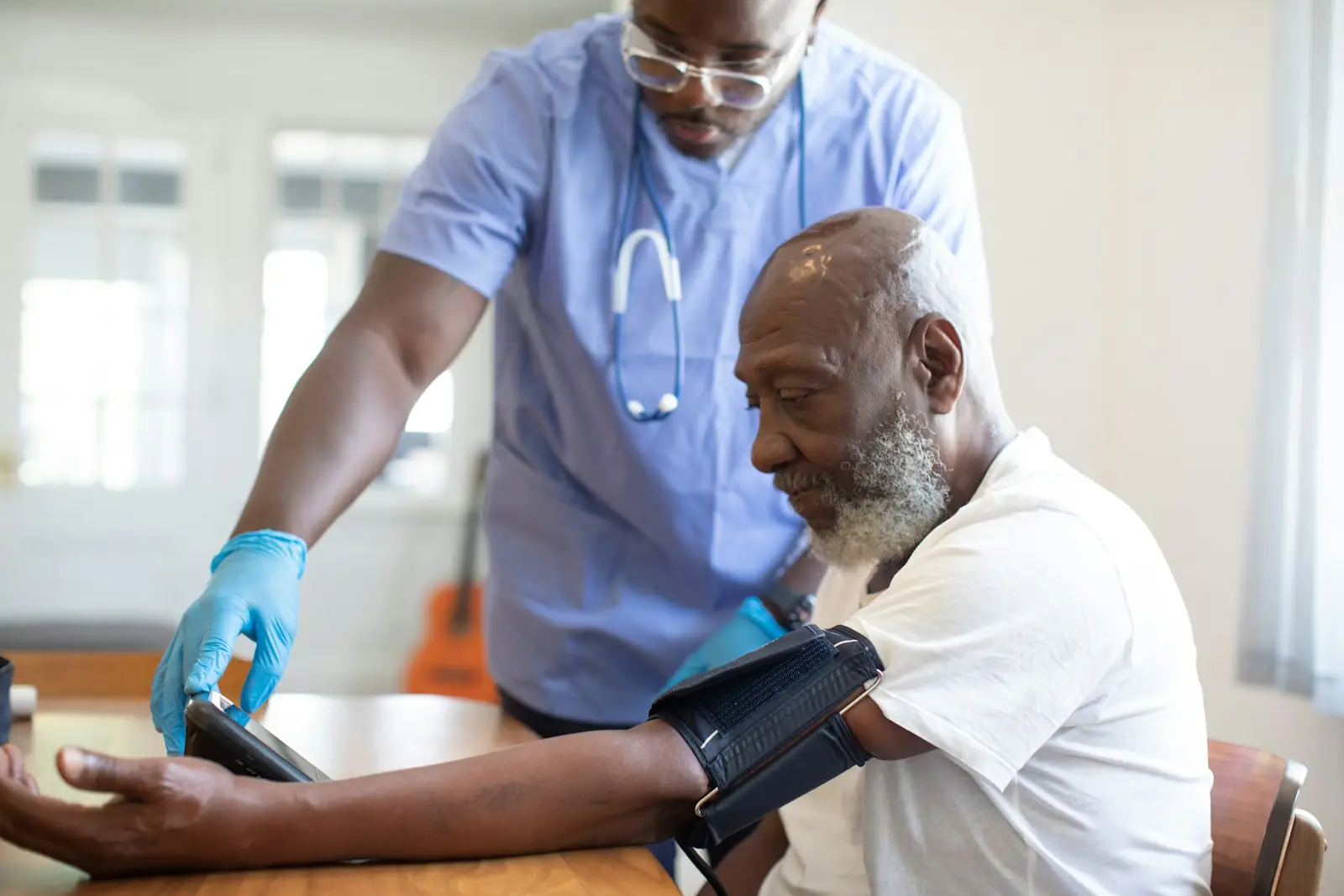
What is an avoidable hospitalization?
A potentially avoidable hospitalization is a transfer for a condition that could often be prevented or managed in the nursing home with timely assessment and treatment. Common examples include pneumonia, urinary tract infection, dehydration, heart failure flare-ups, falls without serious injury and changes in mental status. "Potentially" matters: some of these transfers are the right call, and residents always keep the right to choose hospital care.
Safely reducing hospitalizations was one of the four organizational goals in the former national campaign's 2013 relaunch (see our campaign history), and it remains a central quality measure today.
How are hospitalizations measured?
| Measure | Population | Where used |
|---|---|---|
| Hospitalizations per 1,000 long-stay resident days | Long-stay residents | Care Compare quality rating; SNF VBP (FY 2027) |
| Outpatient ED visits per 1,000 long-stay resident days | Long-stay residents | Care Compare quality rating |
| Percentage of short-stay residents re-hospitalized after a nursing home admission | Short-stay residents | Care Compare quality rating |
| Percentage of short-stay residents with an outpatient ED visit | Short-stay residents | Care Compare quality rating |
| Potentially Preventable 30-Day Post-Discharge Readmission | Medicare SNF stays | SNF Quality Reporting Program |
| SNF 30-Day All-Cause Readmission Measure (SNFRM) | Medicare SNF stays | SNF VBP through FY 2027 |
| SNF Within-Stay Potentially Preventable Readmission (WS PPR) | Medicare SNF stays | SNF VBP from FY 2028 |
| Healthcare-associated infections requiring hospitalization | Medicare SNF stays | SNF QRP and SNF VBP |
Claims-based measures come from Medicare data, so they lag. Learn more in our guides to long-stay measures and short-stay measures. Internally, track every transfer monthly with the reason, time, day of week, who made the decision and whether the team thinks it was avoidable.
What is INTERACT?
INTERACT (Interventions to Reduce Acute Care Transfers) is a quality improvement program developed with support from CMS and led by Joseph Ouslander and colleagues at Florida Atlantic University; it is now licensed through Pathway Health. It gives staff tools to spot, assess, communicate and document changes in condition:
- Stop and Watch early warning tool: lets any staff member, including CNAs and housekeepers, flag a change.
- SBAR (Situation, Background, Assessment, Recommendation) communication form for nurse-to-practitioner calls.
- Care paths for common conditions such as fever, mental status change, falls, and shortness of breath.
- Advance care planning tools and transfer forms, plus quality improvement tools for reviewing each hospital transfer.
What does the evidence say?
In the 2011 INTERACT II project, 25 nursing homes in three states reported a 17% reduction in hospital admissions compared with the same six months a year earlier, and 24% in the 17 homes rated most engaged. A larger 2017 randomized implementation trial in 85 homes (Kane and colleagues, JAMA Internal Medicine) found no statistically significant overall reduction in hospitalizations or ED visits. The practical lesson: the tools help only when they are fully adopted, with practitioner support and leadership follow-through.
How can a nursing home safely reduce hospitalizations?
- 1Review every transferUse a short root cause review for each transfer: what changed, when it was noticed, what was available in-house, and whether advance directives were known. Present the pattern monthly to QAPI.
- 2Catch changes earlyTrain CNAs to use an early warning tool and back it with consistent assignment, so caregivers know each resident's baseline.
- 3Standardize communicationUse SBAR for calls to practitioners, especially evenings and weekends when avoidable transfers cluster.
- 4Build in-house capabilityArrange lab and imaging turnaround, IV hydration and antibiotics, and timely practitioner access including telehealth.
- 5Do advance care planning wellDiscuss goals of care on admission and after any change, document them, and make them visible to night staff. See advance care planning.
- 6Prevent the common triggersInfection prevention, hydration, falls prevention and medication review prevent many transfers. See infection prevention and medication management.
What should families know?
- Ask on the tour: "If my father has a fever at 2 a.m., what happens? Can you start IV fluids, draw blood or get a doctor or nurse practitioner on the phone?"
- Share your relative's wishes and make sure they are written in the care plan and in any state medical order form your state uses.
- Ask how the home will tell you about a change in condition, and who to call after hours.
- You can always ask for a hospital transfer; you can also ask whether treatment in place is a safe option.
Frequently asked questions
What are the most common reasons nursing home residents are hospitalized?
Common reasons include infections such as pneumonia and urinary tract infections, heart failure, dehydration, falls and changes in mental status. Many of these can be prevented or managed in the nursing home when changes are spotted early and the home can provide timely assessment and treatment.
What is the INTERACT program in nursing homes?
INTERACT (Interventions to Reduce Acute Care Transfers) is a quality improvement toolkit that helps staff identify, assess, communicate and document changes in a resident's condition. It includes the Stop and Watch tool, SBAR communication forms, care paths for common conditions, advance care planning tools and transfer review tools.
How does CMS measure nursing home hospitalizations?
Care Compare reports hospitalizations and outpatient ED visits per 1,000 long-stay resident days and the share of short-stay residents rehospitalized or seen in the ED. Medicare's SNF Quality Reporting and Value-Based Purchasing programs also measure readmissions, including potentially preventable readmissions.
What is a potentially preventable readmission?
It is a hospital readmission for a condition that could often have been avoided with good care, such as certain infections, dehydration or heart failure. CMS uses defined lists of such conditions in SNF quality measures, and from FY 2028 its SNF value-based purchasing program uses a within-stay potentially preventable readmission measure.
Can a family refuse to have a resident sent to the hospital?
A resident, or their legal representative when they lack capacity, can accept or decline treatment, including hospital transfer. Decisions are best made in advance through care planning and documented goals of care, so staff know what the resident wants when a change happens.
Get help choosing care or coverage
Talk with a licensed agent about Medicare, Medigap, Medicare Advantage and ways to pay for a nursing home stay. Or call 1-800-MEDIGAP (1-800-633-4427).
Sources
- CMS: Five-Star Technical Users’ Guide, quality measures (September 2026)
- CMS: SNF Quality Reporting Program measures
- CMS: SNF VBP spotlights and announcements
- Ouslander JG et al. Evaluation of the INTERACT II quality improvement project. JAGS 2011
- Kane RL et al. Randomized implementation trial of the INTERACT program. JAMA Intern Med 2017
- Medicare.gov: Skilled nursing facility care coverage
Medicare disclaimer. We do not offer every plan available in your area. Any information we provide is limited to those plans we do offer in your area. Please contact Medicare.gov or 1-800-MEDICARE (TTY 1-877-486-2048), 24 hours a day, 7 days a week, to get information on all of your options.
NHQualityCampaign.org is not connected with or endorsed by the U.S. government or the federal Medicare program. Calls to 1-800-MEDIGAP (1-800-633-4427) are answered by licensed insurance agents, not by Medicare or CMS.
Independent resource. NHQualityCampaign.org is an independent educational resource. It is not affiliated with, endorsed by or operated by the Centers for Medicare & Medicaid Services (CMS), the U.S. Department of Health and Human Services (HHS), any government agency, or the original Advancing Excellence in America’s Nursing Homes campaign or its sponsors. Historical campaign information is summarized with attribution for educational purposes.
Related reading
 Infection preventionNursing homes must run an infection control program led by a trained infection preventionist, with antibiotic…
 Advance care planningAdvance care planning in a nursing home means recording a resident's goals, naming a health care proxy and…
 Short-Stay MeasuresSix short-stay measures feed the 2026 Five-Star quality rating, from 30-day rehospitalization to the…
 Medicare coverageMedicare pays for up to 100 days of skilled nursing facility care after a 3-day inpatient stay, but never for…
 Quality ImprovementNursing home quality improvement is the ongoing, data-driven work of making resident care safer and daily…
 Person-centered carePerson-centered care means a resident's own preferences and goals shape daily routines, meals, activities and…