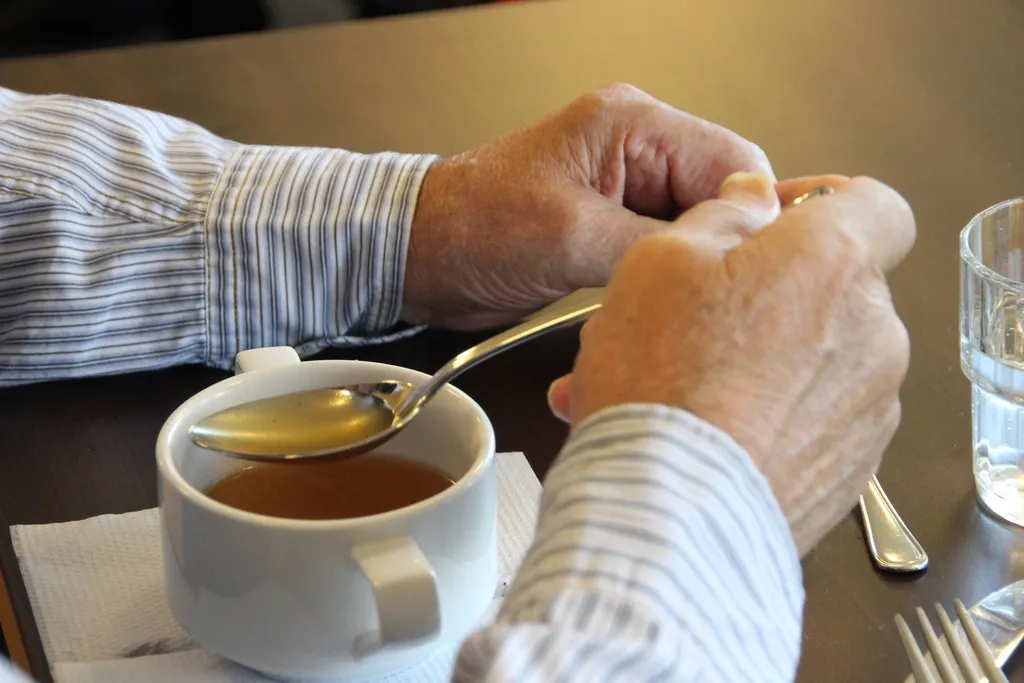
What does an occupational therapist do for older adults?
Occupational therapists (OTs) help people do the things they need and want to do, which therapists call "occupations." For older adults recovering from illness or injury, that usually means self-care and home life. Where physical therapy concentrates on moving the body, OT concentrates on using those movements, plus thinking and vision, to complete real tasks safely. Certified occupational therapy assistants (COTAs) may provide treatment under the OT's plan.
| Area | Examples |
|---|---|
| Activities of daily living (ADLs) | Dressing, bathing, toileting, grooming, eating, getting in and out of the shower |
| Instrumental activities (IADLs) | Meal preparation, laundry, managing medications, using the phone, handling money |
| Upper body and hand function | Strength, coordination and fine motor skills after stroke, fracture or arthritis |
| Cognition and vision | Attention, memory strategies, problem-solving, visual neglect after stroke |
| Home and environment | Grab bars, shower chair, raised toilet seat, lighting, removing trip hazards |
| Caregiver training | Safe ways to help with bathing and transfers; routines for people with dementia |
What is the difference between occupational and physical therapy?
Physical therapy builds the strength, balance and walking ability you need. Occupational therapy applies those abilities to the tasks of daily life and changes the task or environment when ability is limited. After a hip replacement, for example, the PT teaches walking with a walker and stair climbing; the OT teaches how to put on socks and pants with a reacher and sock aid without breaking hip precautions, and how to get in and out of the tub safely. Most rehab plans include both. See physical therapy.
How does OT help people get home safely?
- 1Assess the homeThe OT asks about steps, bathroom layout, bed height and who lives there, and may visit or review photos.
- 2Recommend equipmentCommon items include a shower chair or tub bench, grab bars, a raised toilet seat or bedside commode, a reacher and long-handled sponge. Medicare Part B covers some items as durable medical equipment (for example, a bedside commode); others, such as grab bars, are usually paid privately.
- 3Practise the hard tasksToileting, showering and getting dressed are practised in therapy before discharge, not first tried at home.
- 4Train the caregiverFamily members learn how much help to give and how to avoid injuring themselves.
- 5Plan follow-upHome health or outpatient OT continues the work in the real environment. See home health and outpatient rehab.
Can occupational therapy help people with dementia?
Yes. OTs assess what a person can still do and set up routines, cues and environments that support it, such as simplifying clothing choices, labeling cupboards or breaking tasks into single steps. They coach caregivers on communication and on reducing triggers for distress. These approaches complement the non-drug approaches to dementia care used in good nursing homes.
Does Medicare cover occupational therapy?
Yes, when it is medically necessary and provided under a plan of care certified by a physician or other qualified practitioner. Part A covers OT during a covered stay in a hospital, IRF or SNF, and in home health. Part B covers outpatient OT at 20% of the approved amount after the $283 deductible in 2026. There is no annual cap; OT has its own KX threshold of $2,480 in 2026, above which the therapist confirms continued medical necessity. Skilled OT to maintain function is covered too (the Jimmo settlement). More in Medicare coverage for rehab.
Questions families can ask the occupational therapist
- What can my parent do safely alone, and where do they need help or supervision?
- What equipment do we need at home before discharge, and which items are covered?
- Can you show me how to help with bathing and toileting?
- Is driving, cooking or managing medications safe right now?
- How many OT sessions will there be, and what should we practise between them?
For professionals: OT in post-acute and long-term care
- Score self-care consistently with MDS Section GG and IRF-PAI items so discharge function measures reflect real gains.
- Screen cognition and vision early; unrecognized deficits drive falls and failed discharges.
- Hand off maintenance routines to restorative nursing with clear, written instructions, and support person-centered care goals.
- Standardize home-safety checklists and caregiver training sheets; a shared template library keeps forms current across a team.
Frequently asked questions
What does occupational therapy do for the elderly?
Occupational therapy helps older adults regain or adapt the skills needed for daily life, such as dressing, bathing, toileting, cooking and managing medications. Therapists also recommend equipment, make the home safer, address memory or vision problems that affect tasks, and train family caregivers.
Does Medicare pay for occupational therapy at home?
Yes. If you are homebound and need skilled care, a Medicare-certified home health agency can provide OT at home at no cost for covered visits. OT can continue in home health once you qualify through a need for skilled nursing, physical therapy or speech therapy.
Is there a limit on occupational therapy under Medicare?
There is no hard cap. In 2026, after $2,480 in Medicare-allowed outpatient OT charges for the year, the therapist must confirm that further therapy is medically necessary using the KX modifier. Claims above $3,000 can be selected for medical review. OT's threshold is separate from PT and speech therapy.
Does Medicare cover grab bars and shower chairs?
Generally no. Medicare Part B covers durable medical equipment such as walkers, wheelchairs and bedside commodes when medically necessary, but grab bars and most bathroom safety items are usually considered convenience items. Some Medicare Advantage plans offer limited coverage, so check your plan.
When should someone see an occupational therapist?
Consider OT after a stroke, fracture, joint replacement or hospital stay; when someone struggles with dressing, bathing or toileting; after a fall at home; or when memory problems make daily tasks unsafe. Ask the doctor for a referral and a plan of care.
Get help finding rehab after a hospital stay
Talk with a licensed agent about Medicare coverage for inpatient rehab and skilled nursing. Or call 1-800-MEDIGAP (1-800-633-4427).
Sources
Medical disclaimer. This page is general education, not medical, legal or financial advice, and it does not replace the judgment of a qualified clinician who knows the resident. Do not start, stop or change any medication without talking to the prescriber. In an emergency, call 911.
Medicare disclaimer. We do not offer every plan available in your area. Any information we provide is limited to those plans we do offer in your area. Please contact Medicare.gov or 1-800-MEDICARE (TTY 1-877-486-2048), 24 hours a day, 7 days a week, to get information on all of your options.
NHQualityCampaign.org is not connected with or endorsed by the U.S. government or the federal Medicare program. Calls to 1-800-MEDIGAP (1-800-633-4427) are answered by licensed insurance agents, not by Medicare or CMS.
Independent resource. NHQualityCampaign.org is an independent educational resource. It is not affiliated with, endorsed by or operated by the Centers for Medicare & Medicaid Services (CMS), the U.S. Department of Health and Human Services (HHS), any government agency, or the original Advancing Excellence in America’s Nursing Homes campaign or its sponsors. Historical campaign information is summarized with attribution for educational purposes.
Related reading
 RehabilitationRehab after an illness, injury or surgery can happen in an inpatient rehab facility, a nursing home, at home…
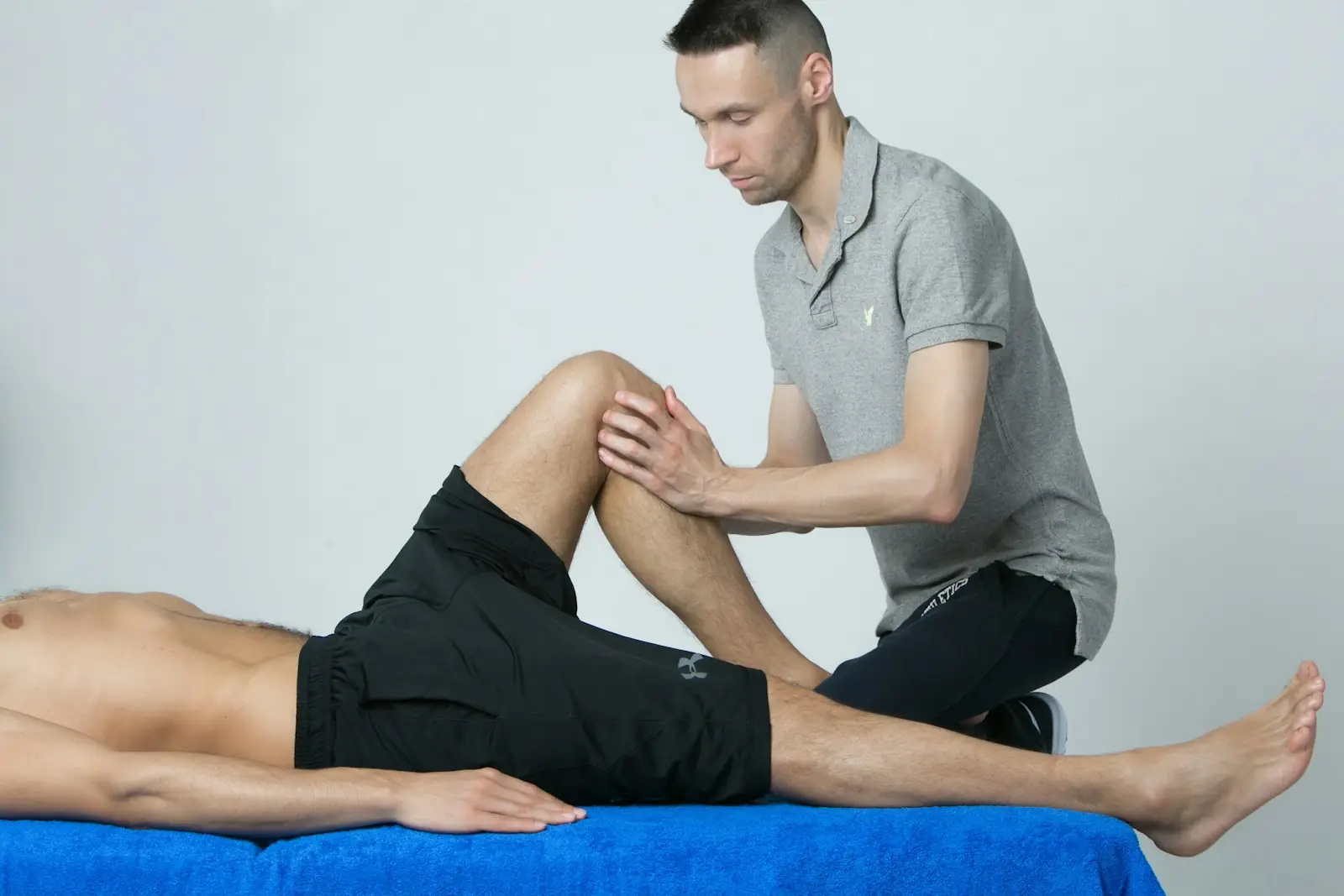 Physical therapyPhysical therapy helps older adults rebuild strength, balance and walking after illness, injury or surgery…
 Speech therapySpeech-language pathologists treat swallowing problems (dysphagia), speech and language disorders such as…
 Stroke rehabStroke rehab starts in the hospital once the person is medically stable, and an inpatient rehab facility is…
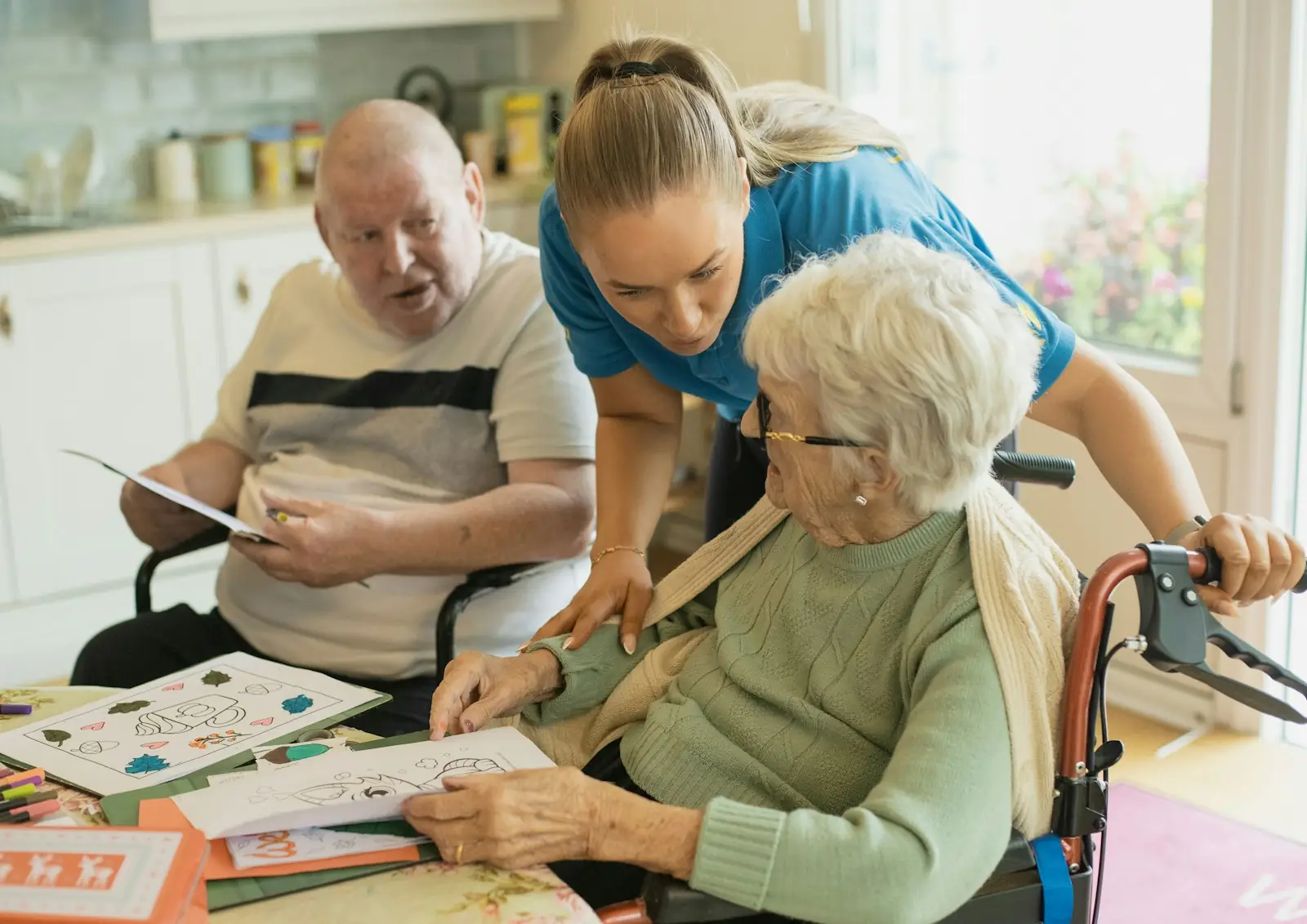 Non-drug approachesThe best non-drug dementia care finds the cause of distress and changes care around it, using methods like…
 Inpatient rehab facilitiesAn inpatient rehabilitation facility (IRF) is a rehab hospital or unit giving intensive therapy, generally 3…