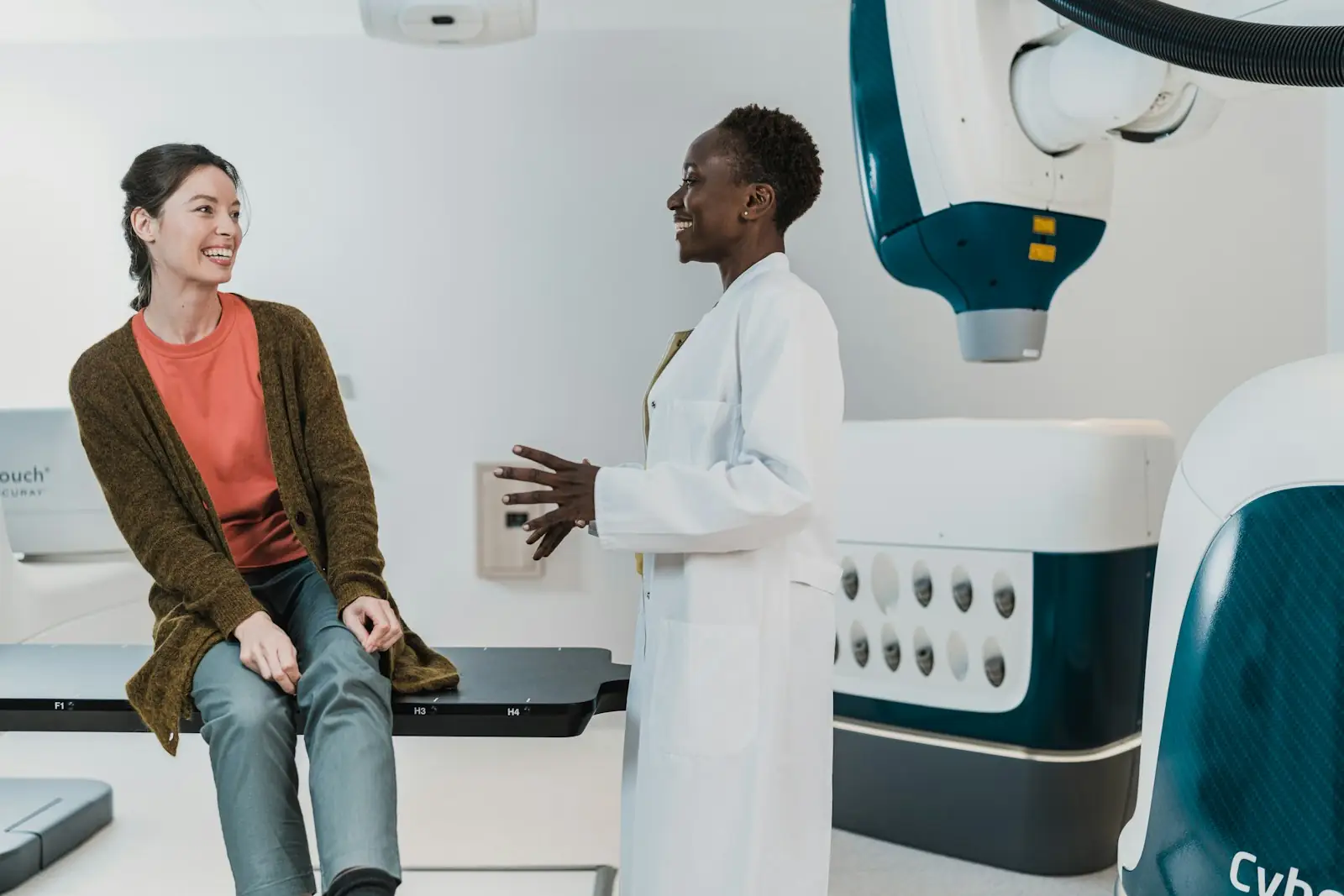
What does a speech-language pathologist do for older adults?
Despite the name, "speech therapy" covers much more than speech. Speech-language pathologists (SLPs) evaluate and treat:
- Swallowing disorders (dysphagia): difficulty moving food or liquid safely from mouth to stomach.
- Aphasia: trouble understanding or producing language, most often after a left-hemisphere stroke.
- Dysarthria and apraxia: slurred or effortful speech from weak muscles or difficulty planning movements.
- Cognitive-communication problems: attention, memory, problem-solving and organization after stroke or brain injury, or with dementia.
- Voice problems, including the soft voice common in Parkinson's disease.
What is dysphagia and why does it matter?
Dysphagia means a swallowing disorder. Age alone changes swallowing somewhat, but true dysphagia in older adults is usually linked to stroke, dementia, Parkinson's disease, head and neck cancer, or weakness after critical illness. When food or liquid enters the airway (aspiration), it can cause pneumonia. Some people aspirate without coughing, which is called silent aspiration and is easy to miss.
Warning signs of a swallowing problem
- Coughing or throat clearing during or right after eating or drinking.
- A wet or gurgly voice after swallowing.
- Food left in the mouth, pocketing food in the cheeks, or very slow eating.
- Unexplained weight loss, dehydration or repeated chest infections.
- Avoiding certain foods or drinks, or refusing meals.
How is a swallowing problem evaluated?
- 1Clinical (bedside) swallow evaluationThe SLP reviews history, examines the mouth and throat muscles, and watches the person swallow different textures.
- 2Instrumental assessment when neededA modified barium swallow study (videofluoroscopy) uses X-ray video while the person swallows barium-coated food and liquid. A fiberoptic endoscopic evaluation of swallowing (FEES) passes a thin camera through the nose and can be done at the bedside. Both show whether aspiration happens and why.
- 3Treatment planExercises to strengthen swallowing muscles, safe-swallow strategies (posture, small sips, pacing), texture changes when necessary, and training for staff and family.
Texture-modified diets and thickened liquids can help, but they also reduce enjoyment and can worsen dehydration if people drink less. Ask the SLP to explain the reasons for any diet change and to reassess regularly. Good oral care also matters, because bacteria in the mouth contribute to aspiration pneumonia.
How does speech therapy help after a stroke?
Acquired communication disorders affect a large share of stroke survivors. SLPs work on comprehension, word-finding, reading and writing, and on alternative ways to communicate (gestures, picture boards, apps) while language recovers. Family involvement matters: the SLP can teach simple strategies, such as asking yes/no questions, allowing extra time and reducing background noise.
Can speech therapy help with memory loss or dementia?
Speech therapy cannot reverse dementia, but SLPs can help people use memory aids, keep communication going and stay safe at mealtimes. They also coach caregivers on communicating in ways that reduce frustration. See dementia care in nursing homes.
Does Medicare cover speech therapy?
Yes. Medicare covers medically necessary speech-language pathology services during covered hospital, IRF, SNF and home health care. Part B covers outpatient speech therapy at 20% coinsurance after the $283 deductible (2026). Speech therapy and physical therapy share a combined KX threshold of $2,480 in 2026; above it the therapist confirms medical necessity, and there is no hard cap. See Medicare coverage for rehab.
For professionals: dysphagia management in nursing homes
- Screen swallowing on admission and after any change in condition; refer for instrumental assessment when aspiration is suspected.
- Use a shared texture and liquid framework (for example IDDSI) across dietary, nursing and therapy, and audit tray accuracy.
- Pair dysphagia care with daily oral care protocols and pneumonia tracking within infection prevention.
- Respect informed choice: document conversations when a resident declines a modified diet, and update the care plan (F656).
- Keep competency checklists and mealtime supervision protocols in one versioned place; this education library for providers can help with staff training records.
Frequently asked questions
What are the signs of swallowing problems in the elderly?
Common signs include coughing or choking while eating or drinking, a wet or gurgly voice after swallowing, food left in the mouth, slow eating, unexplained weight loss, dehydration and repeated chest infections. Some people aspirate silently without coughing, so ask for a speech-language pathologist evaluation if you notice any of these.
What is a modified barium swallow study?
It is an X-ray video test in which a speech-language pathologist and radiology team watch the person swallow food and liquid mixed with barium. It shows whether material enters the airway, why it happens, and which strategies or textures make swallowing safer. It is one of the main instrumental swallowing assessments.
Does Medicare pay for speech therapy?
Yes, when it is medically necessary. Speech therapy is covered during Medicare-covered inpatient, skilled nursing and home health stays, and Part B covers outpatient therapy at 20% after the deductible. In 2026, speech therapy shares a $2,480 KX threshold with physical therapy, which is not a cap.
Can speech therapy help after a stroke?
Yes. Speech-language pathologists treat aphasia, slurred speech, swallowing problems and thinking difficulties after stroke. Therapy often continues for months across inpatient, home and outpatient settings. Families who learn communication strategies from the therapist can help recovery at home and in everyday conversation.
Is thickened liquid always necessary for dysphagia?
No. Thickened liquids are one tool, chosen after evaluation, and they have downsides such as lower fluid intake. Many people do well with exercises, posture changes and pacing strategies instead. The speech-language pathologist should explain the reasons and reassess as swallowing improves.
Get help finding rehab after a hospital stay
Talk with a licensed agent about Medicare coverage for inpatient rehab and skilled nursing. Or call 1-800-MEDIGAP (1-800-633-4427).
Sources
Medical disclaimer. This page is general education, not medical, legal or financial advice, and it does not replace the judgment of a qualified clinician who knows the resident. Do not start, stop or change any medication without talking to the prescriber. In an emergency, call 911.
Medicare disclaimer. We do not offer every plan available in your area. Any information we provide is limited to those plans we do offer in your area. Please contact Medicare.gov or 1-800-MEDICARE (TTY 1-877-486-2048), 24 hours a day, 7 days a week, to get information on all of your options.
NHQualityCampaign.org is not connected with or endorsed by the U.S. government or the federal Medicare program. Calls to 1-800-MEDIGAP (1-800-633-4427) are answered by licensed insurance agents, not by Medicare or CMS.
Independent resource. NHQualityCampaign.org is an independent educational resource. It is not affiliated with, endorsed by or operated by the Centers for Medicare & Medicaid Services (CMS), the U.S. Department of Health and Human Services (HHS), any government agency, or the original Advancing Excellence in America’s Nursing Homes campaign or its sponsors. Historical campaign information is summarized with attribution for educational purposes.
Related reading
 RehabilitationRehab after an illness, injury or surgery can happen in an inpatient rehab facility, a nursing home, at home…
 Stroke rehabStroke rehab starts in the hospital once the person is medically stable, and an inpatient rehab facility is…
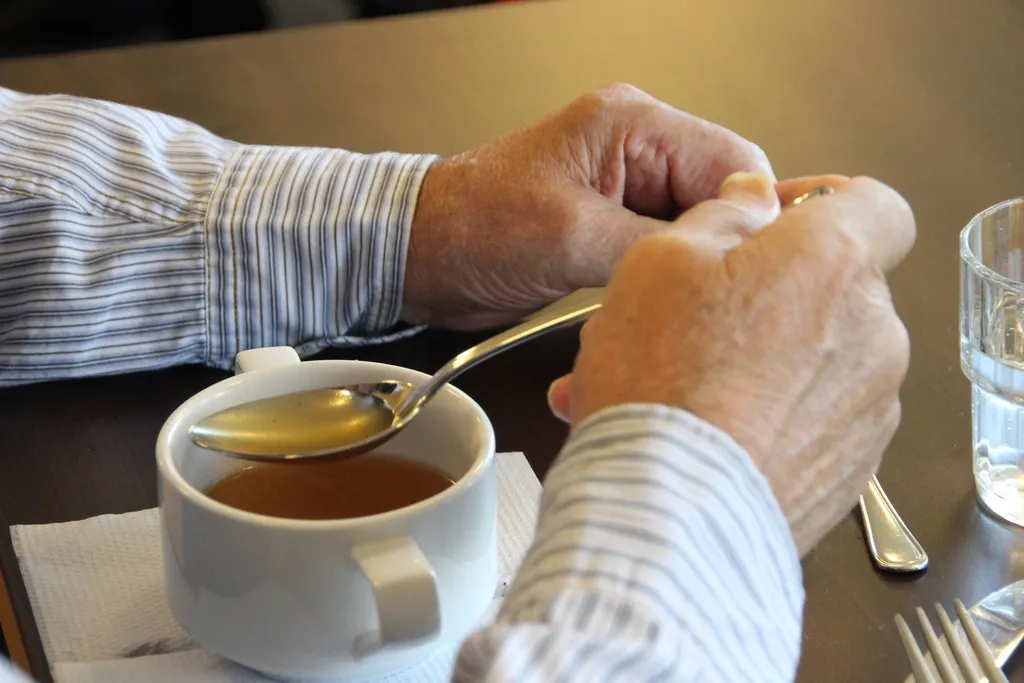 Occupational therapyOccupational therapy helps older adults get back to everyday tasks such as dressing, bathing, toileting…
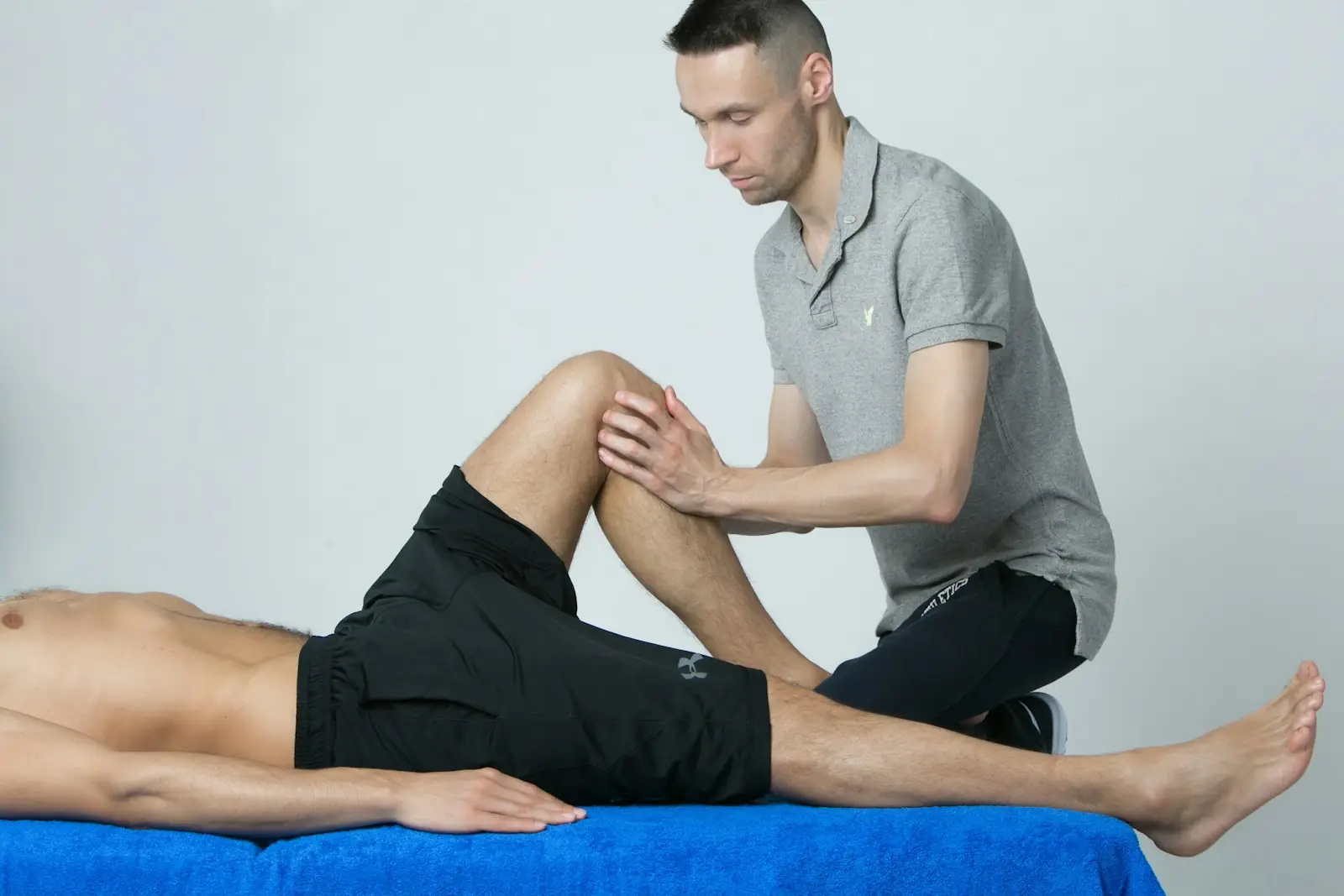 Physical therapyPhysical therapy helps older adults rebuild strength, balance and walking after illness, injury or surgery…
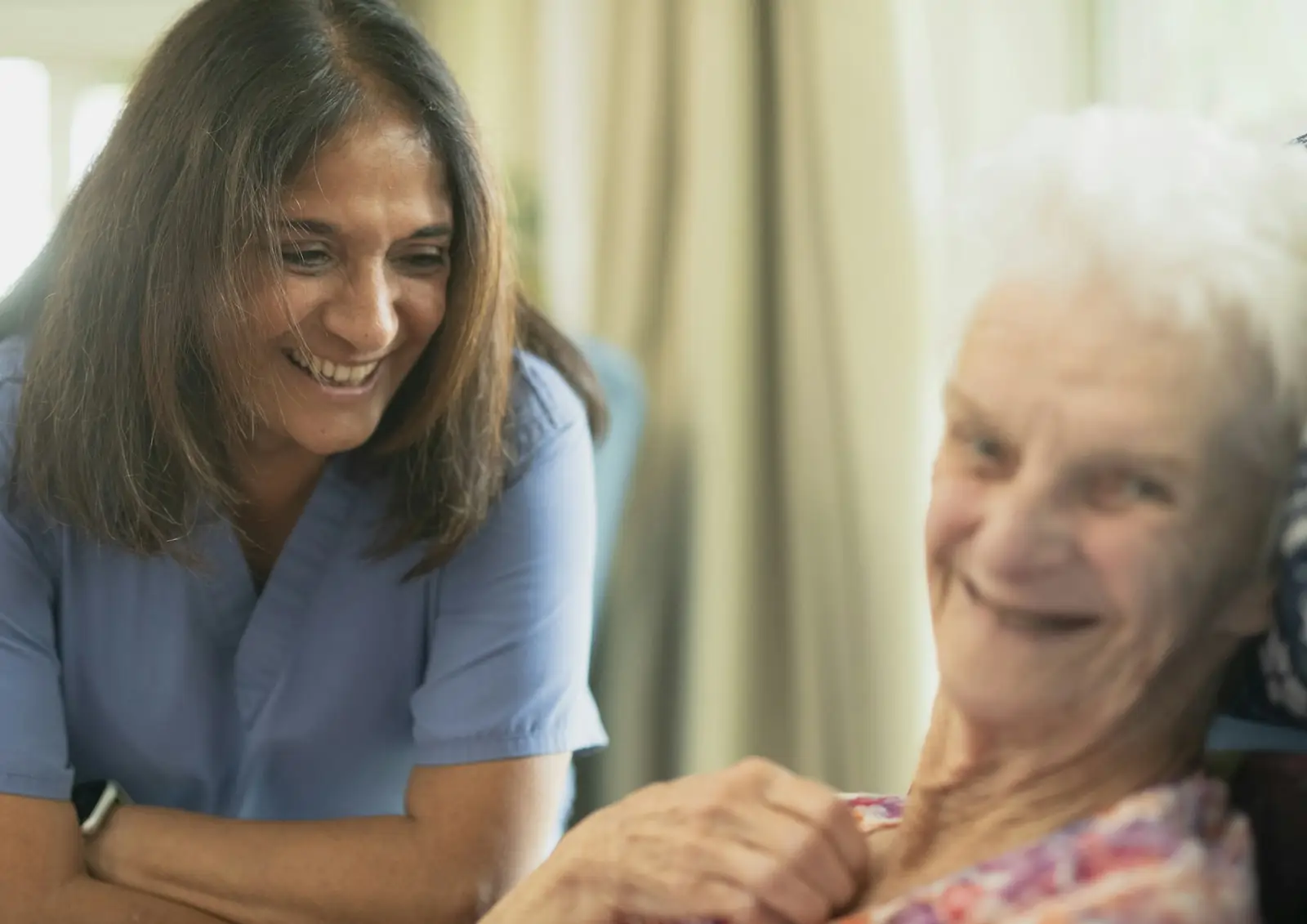 Dementia careGood dementia care in a nursing home means knowing the person, treating causes of distress, and using…
 Inpatient rehab facilitiesAn inpatient rehabilitation facility (IRF) is a rehab hospital or unit giving intensive therapy, generally 3…