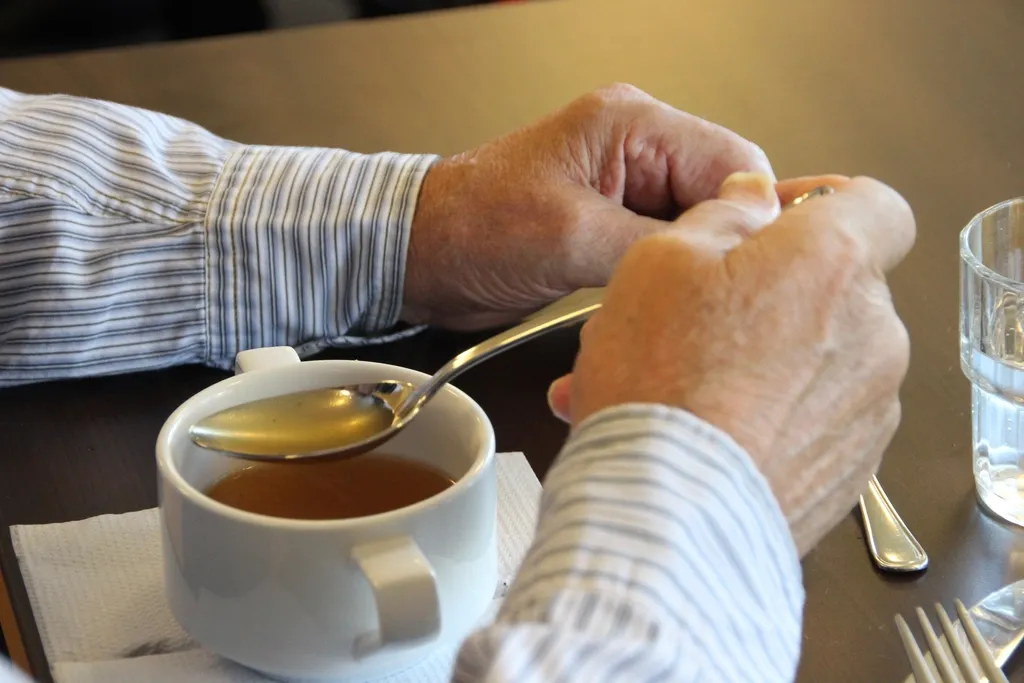
What is person-centered care in a nursing home?
Person-centered care (sometimes called person-directed care or resident-directed care) organizes care around the individual. Staff learn what matters to each resident, such as when they like to wake up, whether they prefer a shower or a bath, what they like to eat, who and what gives their day meaning, and then build the care plan and daily routine around those answers.
It grew out of the nursing home culture change movement, which pushed homes away from hospital-style routines toward smaller households, consistent caregivers and resident choice. The former national campaign summarized the goal well: person-centered care "promotes choice, purpose and meaning in daily life." It was one of the four process goals in the campaign's 2013 relaunch (see our campaign history).
What do federal rules require?
| Requirement | What it means in practice |
|---|---|
| Resident rights (42 CFR 483.10) | Dignity, privacy, choice of attending physician, participation in care planning, and the right to make choices about aspects of life that are significant to the resident. |
| F561 Self-determination | Choice over activities, schedules (including sleeping and waking), health care and providers, consistent with the care plan and interests. |
| F656 Comprehensive care plan | A person-centered care plan with measurable objectives that reflects the resident’s goals and preferences. |
| F675 / F679 Quality of life and activities | Care that supports the resident’s highest practicable well-being and an ongoing program of activities matched to interests. |
| MDS Section F | A standardized interview about preferences for customary routine and activities, completed on admission and at set intervals. |
Residents and families have a right to take part in care plan meetings. Our guide to resident rights explains the full list in plain language.
How do homes learn residents’ preferences? MDS Section F and PELI
MDS Section F asks residents a short set of questions about daily routines and activities, such as how important it is to choose clothes, bathing type, bedtime, having family involved and doing favorite activities. It is a useful starting point but brief.
The Preferences for Everyday Living Inventory (PELI), developed by researchers including Kimberly Van Haitsma and Katherine Abbott, goes further. The nursing home version covers areas such as self-dominion (control over daily life), enlisting others in care, social contact, activities and personal growth, and the living environment. A shorter PELI question set was built into the former campaign's person-centered care goal. Free PELI materials, training and implementation guides are available from the Preference Based Living project.
What does person-centered care look like day to day?
Daily routines
Residents wake, bathe and go to bed on their own schedule as far as possible. Medication passes, therapy and housekeeping work around those preferences instead of the other way round. Staff knock, introduce themselves and ask before helping.
Dining
In 2011 an interdisciplinary task force convened through the Pioneer Network produced the New Dining Practice Standards, which favor a regular diet as the default, flexible meal times, and informed choice when a resident wants food that a restrictive diet would exclude. In a 2013 memo CMS encouraged homes to consider the standards while making clear they are not federal requirements. Practical signs include open dining hours, menu choices, snacks on request and staff sitting with residents who need help.
Activities and meaning
Activities reflect each person's life: a former gardener tending plants, a retired teacher reading to others, faith practices, music the resident actually likes. For people living with dementia, knowing their history is also the foundation of non-drug approaches to distress.
Relationships
Relationships depend on seeing the same faces. That is why consistent assignment and staff stability are treated as the backbone of person-centered care.
Does person-centered care improve outcomes?
The evidence is encouraging but mixed. A 2014 study in the Journal of the American Geriatrics Society (Miller and colleagues) found that homes that introduced culture change practices with high implementation saw fewer physical restraints, less tube feeding and fewer pressure ulcers. Homes with lower implementation saw fewer survey deficiencies but small increases in some clinical problems. The lesson for QI teams: partial, cosmetic adoption is not enough; depth of implementation matters.
How can a nursing home implement person-centered care?
- 1Start with leadership and staffLeaders commit time and budget; involve CNAs, nurses, dietary and housekeeping staff from the start, because they carry out the changes.
- 2Assess preferences properlyComplete MDS Section F carefully and add a fuller tool such as PELI for residents who can answer, with family input for those who cannot.
- 3Pick one routine to changeCommon first projects: flexible waking and breakfast, bathing choice, or open dining hours. Measure a baseline (for example, the share of residents bathed by their preferred method).
- 4Run PDSA cyclesTest on one unit, study the results with staff and residents, then adapt and spread. See the method on our quality improvement pillar.
- 5Close the loopPut preferences in the care plan and on assignment sheets, review them at care conferences, and ask residents and families whether they notice the difference.
What should families look for?
- Are residents up, dressed and groomed at different times, or all at once to suit the shift?
- Do staff call residents by name and know something about their lives?
- Is there a choice at meals, and can residents eat when they are hungry?
- Were you asked about your relative's history, routines and preferences on admission?
- Do residents decorate their own rooms and keep personal belongings?
- Is there an active resident and family council?
Frequently asked questions
What is an example of person-centered care in a nursing home?
A resident who worked nights all her life prefers to sleep late and eat breakfast at 10 a.m. A person-centered home records that preference, adjusts her medication and care times, and keeps breakfast available, rather than waking her at 6 a.m. to fit the shift routine.
What are the core principles of person-centered care?
Knowing the person, honoring choice and dignity, supporting relationships through consistent caregivers, involving residents and families in decisions, and building a homelike environment. Care plans reflect the resident's goals and preferences, not just diagnoses and tasks.
Is person-centered care required in nursing homes?
Yes, in substance. Federal rules for certified nursing homes require a comprehensive person-centered care plan and protect residents' rights to make choices about schedules, activities and care (surveyed under tags such as F656 and F561). How fully homes put it into practice varies widely.
What is the PELI tool?
The Preferences for Everyday Living Inventory is a research-based interview that asks residents how important various daily-life preferences are to them, such as routines, social contact, activities and control over care. Nursing homes use it to build person-centered care plans and track whether preferences are being met.
How is person-centered care different from task-centered care?
Task-centered care organizes the day around jobs to finish on schedule: baths, meds, meals. Person-centered care organizes it around the resident's preferences, so the same tasks happen but at times and in ways the resident chooses, by caregivers who know them.
Get help choosing care or coverage
Talk with a licensed agent about Medicare, Medigap, Medicare Advantage and ways to pay for a nursing home stay. Or call 1-800-MEDIGAP (1-800-633-4427).
Sources
Independent resource. NHQualityCampaign.org is an independent educational resource. It is not affiliated with, endorsed by or operated by the Centers for Medicare & Medicaid Services (CMS), the U.S. Department of Health and Human Services (HHS), any government agency, or the original Advancing Excellence in America’s Nursing Homes campaign or its sponsors. Historical campaign information is summarized with attribution for educational purposes.
Related reading
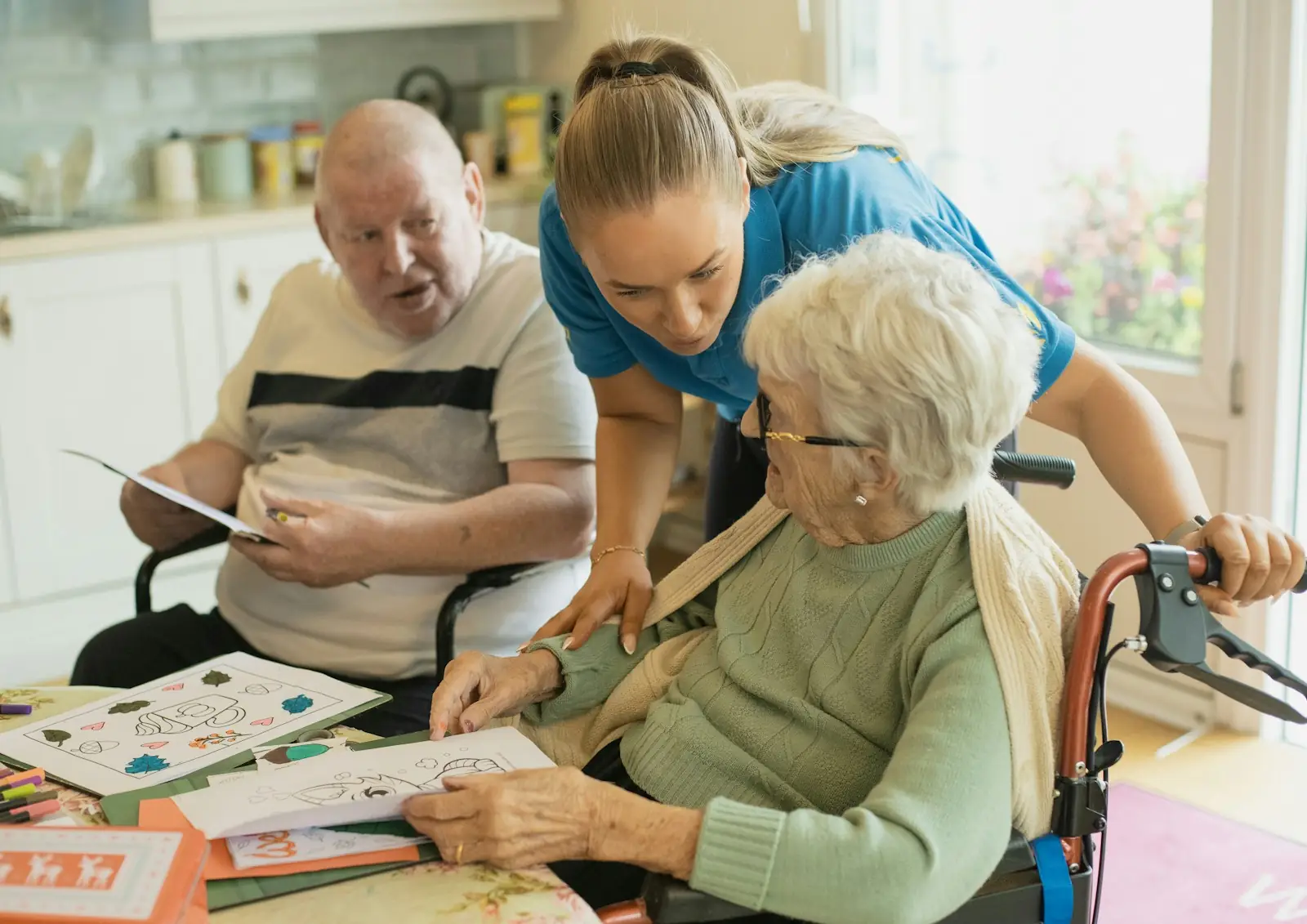 Consistent assignmentConsistent assignment means the same CNAs and nurses care for the same residents on most shifts.
 Staff stabilityStaff stability is how well a nursing home keeps its caregivers, measured by turnover and retention rates.
- Non-drug approachesThe best non-drug dementia care finds the cause of distress and changes care around it, using methods like…
 Care plan meetingsA nursing home care plan meeting is where staff, the resident and family agree on goals and the care that…
 Quality ImprovementNursing home quality improvement is the ongoing, data-driven work of making resident care safer and daily…
 Avoidable hospitalizationsMany nursing home residents sent to the hospital could have been treated safely where they live if changes in…