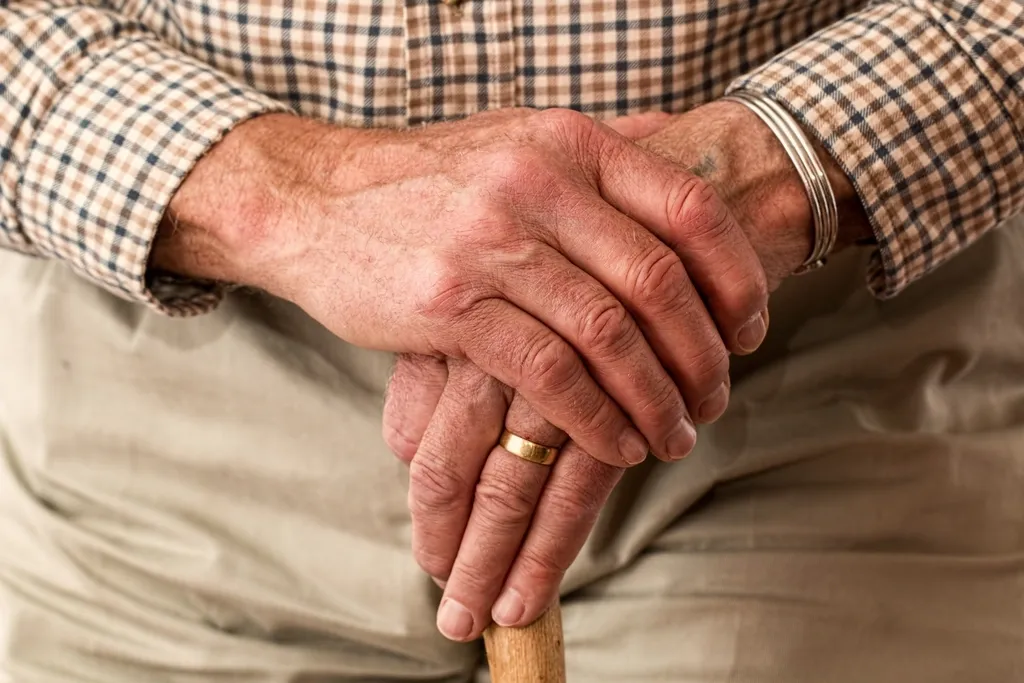
Why is pain often missed in nursing homes?
Persistent pain from arthritis, back problems, old fractures, neuropathy and wounds is common in nursing home residents. It is also easy to miss: residents may not complain, may believe pain is part of aging, or may be unable to describe it because of dementia or stroke. Untreated pain disrupts sleep, appetite, mood and mobility, and in people with dementia it can show up as agitation or resistance to care that is mistaken for a behavioral problem.
Pain was a goal of the former national quality campaign throughout its life, with separate long-stay and short-stay objectives early on (see our campaign history).
What do federal rules require?
Under 42 CFR 483.25(k), surveyed as F697, nursing homes must ensure that residents who need pain management receive it consistent with professional standards of practice, the comprehensive person-centered care plan and the resident's goals and preferences. Surveyors look for assessment, a care plan, implementation, monitoring of effectiveness and side effects, and revision when pain persists. Opioid and other medication use is also reviewed under the unnecessary drug rules (F757).
How is pain assessed in residents?
Residents who can communicate
The MDS 3.0 Section J pain assessment interview asks residents directly about pain in the past five days: whether they had it, how often, whether it affected sleep or activities, and how intense it was, using a 0 to 10 numeric scale or a verbal descriptor scale (mild, moderate, severe, very severe). The same simple scales work for day-to-day monitoring. Ask in the resident's own words: "ache," "sore" or "hurt" may get different answers from "pain."
Residents with advanced dementia: PAINAD
When a resident cannot reliably self-report, staff use an observational scale. The Pain Assessment in Advanced Dementia (PAINAD) scale, published by Warden, Hurley and Volicer in 2003, scores five items from 0 to 2 after a few minutes of observation, for a total of 0 to 10:
| Item | What staff observe |
|---|---|
| Breathing (independent of vocalization) | From normal, to occasional labored breathing, to noisy labored breathing or periods of hyperventilation. |
| Negative vocalization | From none, to occasional moaning, to repeated calling out or crying. |
| Facial expression | From smiling or inexpressive, to sad or frightened, to grimacing. |
| Body language | From relaxed, to tense or fidgeting, to rigid, clenched fists, pulling away or striking out. |
| Consolability | From no need to console, to distracted by voice or touch, to unable to console. |
Higher scores suggest more pain, but the developers did not set firm treatment thresholds; the score is best used to compare the same resident over time, at rest and during movement, and before and after an intervention. MDS Section J also has a staff assessment for residents who cannot complete the interview. Compare PAINAD with other tools in our pain assessment tools guide.
What happened to the Care Compare pain measures?
For years Nursing Home Compare reported the percentage of short-stay and long-stay residents who self-reported moderate to severe pain. In an October 2019 memo (QSO-20-02-NH), CMS removed both measures from Nursing Home Compare and the Five-Star rating, citing its opioid crisis roadmap and concern that performance on the measures could push facilities toward opioids. Pain is still captured on the MDS, still reviewed under F697, and still a sensible QAPI focus; it is simply no longer a public star-rating measure.
What does the American Geriatrics Society recommend?
The AGS guideline most often cited in nursing homes is Pharmacological Management of Persistent Pain in Older Persons (American Geriatrics Society Panel, Journal of the American Geriatrics Society, 2009;57:1331–1346), which updated the society's 2002 persistent pain guidance. Older copies of this PDF were once linked from this domain; please use the official JAGS version listed in the sources below. In summary, the panel advised:
- Acetaminophen as initial and ongoing treatment for persistent pain, particularly musculoskeletal pain, with attention to maximum daily dose and liver risk.
- Non-selective NSAIDs and COX-2 inhibitors only rarely and with extreme caution in highly selected people, because of gastrointestinal, kidney and cardiovascular risks.
- Consideration of opioid medicines for moderate to severe pain, pain-related functional impairment or reduced quality of life, with careful monitoring and anticipation of side effects such as constipation.
- Adjuvant drugs for neuropathic pain, and topical agents such as topical lidocaine for localized pain.
- Non-drug approaches alongside medication: physical therapy, exercise, heat and cold, positioning, massage, music and cognitive-behavioral techniques.
The AGS Beers Criteria (updated 2023) list medications that are potentially inappropriate for older adults, including some pain medicines and risky combinations. This page is general education; decisions about any individual's medicines belong to their prescriber and pharmacist.
How can opioids be used safely in nursing homes?
- Set a functional goal (walk to the dining room, sleep through the night) and review whether it is met.
- Start low, go slow, and reassess after every change.
- Prevent constipation with a bowel regimen from day one.
- Watch for sedation, confusion and falls; link with falls prevention.
- Avoid combining opioids with benzodiazepines and other sedatives where possible, because of respiratory depression risk.
- Follow controlled-substance storage, count and disposal procedures, and have naloxone policies in place.
- Have the consultant pharmacist review regimens monthly. The CDC's 2022 clinical practice guideline on prescribing opioids for pain is a useful reference for prescribers.
A pain QAPI project in five steps
- 1BaselineAudit a sample of charts: is pain assessed on schedule, with the right tool, and re-assessed after PRN doses?
- 2TrainTeach CNAs to recognize nonverbal pain signs and report them; teach nurses PAINAD and re-assessment timing.
- 3StandardizeBuild pain assessment into routine vital signs and care-plan reviews; schedule doses before therapy or wound care when appropriate.
- 4Add non-drug optionsPositioning, heat, gentle activity and distraction should be on the care plan, not improvised.
- 5MonitorTrack the share of residents with uncontrolled pain, PRN effectiveness documentation and opioid-related adverse events monthly in QAPI.
What should families watch for?
- New grimacing, guarding a body part, moaning, restlessness or refusing to move.
- Changes in sleep, appetite or mood.
- Agitation that appears during bathing, dressing or transfers.
- Excess sleepiness, confusion or constipation after a new pain medicine.
Tell the nurse what you see and ask how pain is assessed and re-checked. Bring it up at care plan meetings. Pain is closely linked to person-centered care and medication management; see the quality improvement overview for the wider picture.
Frequently asked questions
How do nursing homes assess pain in residents with dementia?
Staff observe behavior using validated tools such as the PAINAD scale, which scores breathing, vocalization, facial expression, body language and consolability from 0 to 10. They compare scores over time, at rest and during movement, and before and after treatment, and ask family members what is normal for the person.
What is the PAINAD scale?
The Pain Assessment in Advanced Dementia scale is a five-item observational tool published in 2003. Each item is scored 0, 1 or 2, giving a total from 0 to 10. It is designed for people who cannot reliably report pain themselves, and works best for tracking the same person over time.
What is F697 in nursing homes?
F697 is the federal survey tag for pain management. It requires facilities to provide pain management consistent with professional standards, the person-centered care plan and the resident's goals and preferences, including assessment, treatment, monitoring of effectiveness and side effects, and revising the plan when needed.
What did the American Geriatrics Society recommend for persistent pain?
The AGS 2009 guideline on pharmacological management of persistent pain in older persons recommended acetaminophen as initial and ongoing therapy for many types of persistent pain, very cautious and rare use of NSAIDs, and consideration of carefully monitored opioids for moderate to severe pain that limits function or quality of life.
Why did CMS remove the pain quality measures?
In October 2019 CMS removed the short-stay and long-stay moderate-to-severe pain measures from Nursing Home Compare and the Five-Star rating. It cited its opioid crisis roadmap and wanted to avoid any chance that pain scores would push facilities toward unnecessary opioid prescribing.
Are opioids safe for older nursing home residents?
They can be appropriate for moderate to severe pain when started at low doses and monitored closely, but older adults are more prone to sedation, confusion, falls and constipation. Combining opioids with benzodiazepines or other sedatives raises risk. Decisions should be individualized by the prescriber with pharmacist review.
Get help choosing care or coverage
Talk with a licensed agent about Medicare, Medigap, Medicare Advantage and ways to pay for a nursing home stay. Or call 1-800-MEDIGAP (1-800-633-4427).
Sources
- AGS Panel. Pharmacological management of persistent pain in older persons. JAGS 2009;57:1331–1346 (PubMed)
- Warden V, Hurley AC, Volicer L. Development and psychometric evaluation of the PAINAD scale. JAMDA 2003 (PubMed)
- CMS QSO-20-02-NH: removal of pain quality measures (October 2019)
- AGS 2023 updated Beers Criteria. JAGS 2023 (PubMed)
- CDC Clinical Practice Guideline for Prescribing Opioids for Pain (2022)
- CMS: State Operations Manual Appendix PP (F697)
Medical disclaimer. This page is general education, not medical, legal or financial advice, and it does not replace the judgment of a qualified clinician who knows the resident. Do not start, stop or change any medication without talking to the prescriber. In an emergency, call 911.
Independent resource. NHQualityCampaign.org is an independent educational resource. It is not affiliated with, endorsed by or operated by the Centers for Medicare & Medicaid Services (CMS), the U.S. Department of Health and Human Services (HHS), any government agency, or the original Advancing Excellence in America’s Nursing Homes campaign or its sponsors. Historical campaign information is summarized with attribution for educational purposes.
Related reading
 Pain assessment toolsAsk residents who can self-report to rate pain on a numeric or verbal scale; for advanced dementia, use an…
 Behavioral symptomsBehavioral symptoms of dementia (responsive behaviors, or BPSD) are usually reactions to pain, illness…
 Medication managementSafe nursing home medication management means every drug has a clear reason, gets a monthly pharmacist…
 Person-centered carePerson-centered care means a resident's own preferences and goals shape daily routines, meals, activities and…
- Quality ImprovementNursing home quality improvement is the ongoing, data-driven work of making resident care safer and daily…
 Consistent assignmentConsistent assignment means the same CNAs and nurses care for the same residents on most shifts.