
What are responsive behaviors in dementia?
Behavioral and psychological symptoms of dementia (BPSD) affect most people with dementia at some point. They include agitation, aggression, resisting care, repetitive calling out, wandering, restlessness in the late afternoon ("sundowning"), sleep disturbance, suspiciousness, delusions, hallucinations, depression and apathy. Many clinicians prefer "responsive behaviors," because the behavior is often a response to something in the person's body or surroundings that they cannot explain in words.
What causes sudden agitation or aggression in dementia?
| Cause | Clues | First response |
|---|---|---|
| Pain | Grimacing, guarding, resisting movement or care, worse during transfers | Observational pain scale; treat and re-assess |
| Infection (urinary, chest, skin) | New confusion, fever (may be absent), falls, poor intake | Clinical assessment; avoid treating bacteria in urine without symptoms |
| Delirium | Sudden onset, fluctuating attention, drowsiness or hyper-alertness | Urgent medical review; find and treat the cause |
| Constipation or urinary retention | Restlessness, pulling at clothing, abdominal discomfort | Bowel record, bladder scan |
| Medication effects | Recent new drug or dose change; anticholinergic load | Pharmacist and prescriber review |
| Unmet needs | Hunger, thirst, need to toilet, cold, boredom, loneliness | Anticipate needs on a schedule |
| Environment and approach | Noise, crowding, shift change, rushed or unfamiliar caregivers | Adjust timing, staff, setting |
How can you tell delirium from dementia?
| Feature | Delirium | Dementia |
|---|---|---|
| Onset | Sudden, hours to days | Gradual, months to years |
| Course | Fluctuates during the day | Relatively stable day to day |
| Attention | Markedly impaired | Usually preserved until later stages |
| Alertness | Drowsy or agitated, may swing | Usually normal |
| Cause | Acute illness, drugs, dehydration, surgery, withdrawal | Progressive brain disease |
| Reversible? | Often, if the cause is treated | No, although symptoms can be managed |
People with dementia are at high risk of delirium, and the two often overlap. Any abrupt change from someone's usual self should be treated as possible delirium until proven otherwise. Validated screening tools such as the Confusion Assessment Method help staff document it. Unrecognized delirium and infections are common reasons for avoidable hospital transfers; see avoidable hospitalizations and infection prevention.
How should staff assess a behavior?
- 1Keep the person and others safeGive space, lower noise, use a calm voice, and avoid restraint. Physical restraints and sedation for convenience are prohibited.
- 2Describe it preciselyWrite what happened, when, where, who was present, what came before, and how long it lasted. "Hit aide during morning shower when water was sprayed on her head" is useful; "combative" is not.
- 3Check for medical causesPain scale, vital signs, hydration, bowel and bladder, recent falls, skin, new medications, signs of delirium.
- 4Check unmet needs and the settingHunger, toileting, temperature, sensory aids, boredom, noise, unfamiliar staff.
- 5Plan and communicateAgree targeted approaches with the team and family; put them in the care plan; share at huddles. The DICE approach gives a full framework.
- 6MeasureTrack frequency for at least one to two weeks to see if the plan is working.
When might medication be considered for behavioral symptoms?
Revised federal surveyor guidance (2025) says a psychotropic may be indicated when behavioral symptoms present a danger to the resident or others, or cause the resident significant distress, and non-drug approaches have been tried without enough relief (unless contraindicated), or when a dose reduction was tried and symptoms returned. A diagnosis alone does not justify a psychotropic. Before starting or increasing one, the resident or representative must be told the benefits, risks, including boxed warnings, and alternatives.
| Medicine or class | Typical reason considered | Key risks in older adults with dementia |
|---|---|---|
| Antipsychotics (e.g. risperidone, quetiapine) | Dangerous aggression or distressing psychosis after other approaches fail | Boxed warning for increased mortality; stroke, falls, sedation. See antipsychotic reduction |
| Citalopram and other SSRIs | Agitation with depression or anxiety | QT prolongation at higher doses, low sodium, falls, GI bleeding |
| Trazodone | Sleep disturbance or agitation | Sedation, orthostatic low blood pressure, falls |
| Mirtazapine | Depression with poor appetite or sleep | Sedation, weight gain, falls |
| Benzodiazepines | Generally avoided; sometimes short-term in specific situations | Confusion, delirium, falls, fractures, dependence; listed on the AGS Beers Criteria to avoid |
Medication choices are for the resident's prescriber and care team. This page is general education, not medical advice. For the full picture of safe prescribing, see medication management, and return to the dementia care guide.
Frequently asked questions
What are the most common behavioral symptoms of dementia?
Common symptoms include agitation, restlessness, resisting care, aggression, repetitive calling out or questions, wandering, sleep disturbance, sundowning, suspiciousness or delusions, hallucinations, depression and apathy. Apathy and depression are frequent but often overlooked because they do not disrupt care. Most people with dementia experience at least one of these symptoms during their illness.
What causes sudden aggression in someone with dementia?
Sudden aggression is often triggered by pain, an infection, delirium, constipation, a new medication, fear during personal care, or being approached quickly or from behind. It can also follow changes in staff, room or routine. A sudden change should prompt a medical check before any medication is added for behavior.
How do you tell the difference between delirium and dementia?
Delirium starts suddenly, over hours or days, and causes fluctuating attention and alertness. Dementia develops gradually over months or years and attention is usually preserved until later stages. People with dementia are prone to delirium, so any abrupt change should be treated as possible delirium and assessed promptly.
What is sundowning in nursing home residents?
Sundowning is increased confusion, restlessness or agitation in the late afternoon and evening. Contributing factors include fatigue, low light, shift change noise, hunger, pain and disrupted sleep. Helpful steps include daytime activity and light, a calm late-afternoon routine, a snack, reduced noise at shift change, and treating pain.
When is medication appropriate for dementia behaviors?
Federal guidance supports considering a psychotropic when symptoms put the resident or others in danger or cause the resident significant distress, and non-drug approaches have been tried without enough relief. The resident or representative must be informed of benefits, risks and alternatives first, and the drug should be monitored and reduced when possible.
Get help choosing care or coverage
Talk with a licensed agent about Medicare, Medigap, Medicare Advantage and ways to pay for a nursing home stay. Or call 1-800-MEDIGAP (1-800-633-4427).
Sources
- Kales HC et al. Assessment and management of behavioral and psychological symptoms of dementia. BMJ 2015
- Kales HC, Gitlin LN, Lyketsos CG. Management of neuropsychiatric symptoms of dementia (DICE). J Am Geriatr Soc 2014
- 42 CFR 483.45: Pharmacy services, unnecessary and psychotropic drugs
- CMS QSO-25-14-NH: Revised long-term care surveyor guidance (Appendix PP)
- FDA: First drug approved to treat agitation associated with dementia due to Alzheimer disease (May 2023)
Medical disclaimer. This page is general education, not medical, legal or financial advice, and it does not replace the judgment of a qualified clinician who knows the resident. Do not start, stop or change any medication without talking to the prescriber. In an emergency, call 911.
Independent resource. NHQualityCampaign.org is an independent educational resource. It is not affiliated with, endorsed by or operated by the Centers for Medicare & Medicaid Services (CMS), the U.S. Department of Health and Human Services (HHS), any government agency, or the original Advancing Excellence in America’s Nursing Homes campaign or its sponsors. Historical campaign information is summarized with attribution for educational purposes.
Related reading
 Dementia careGood dementia care in a nursing home means knowing the person, treating causes of distress, and using…
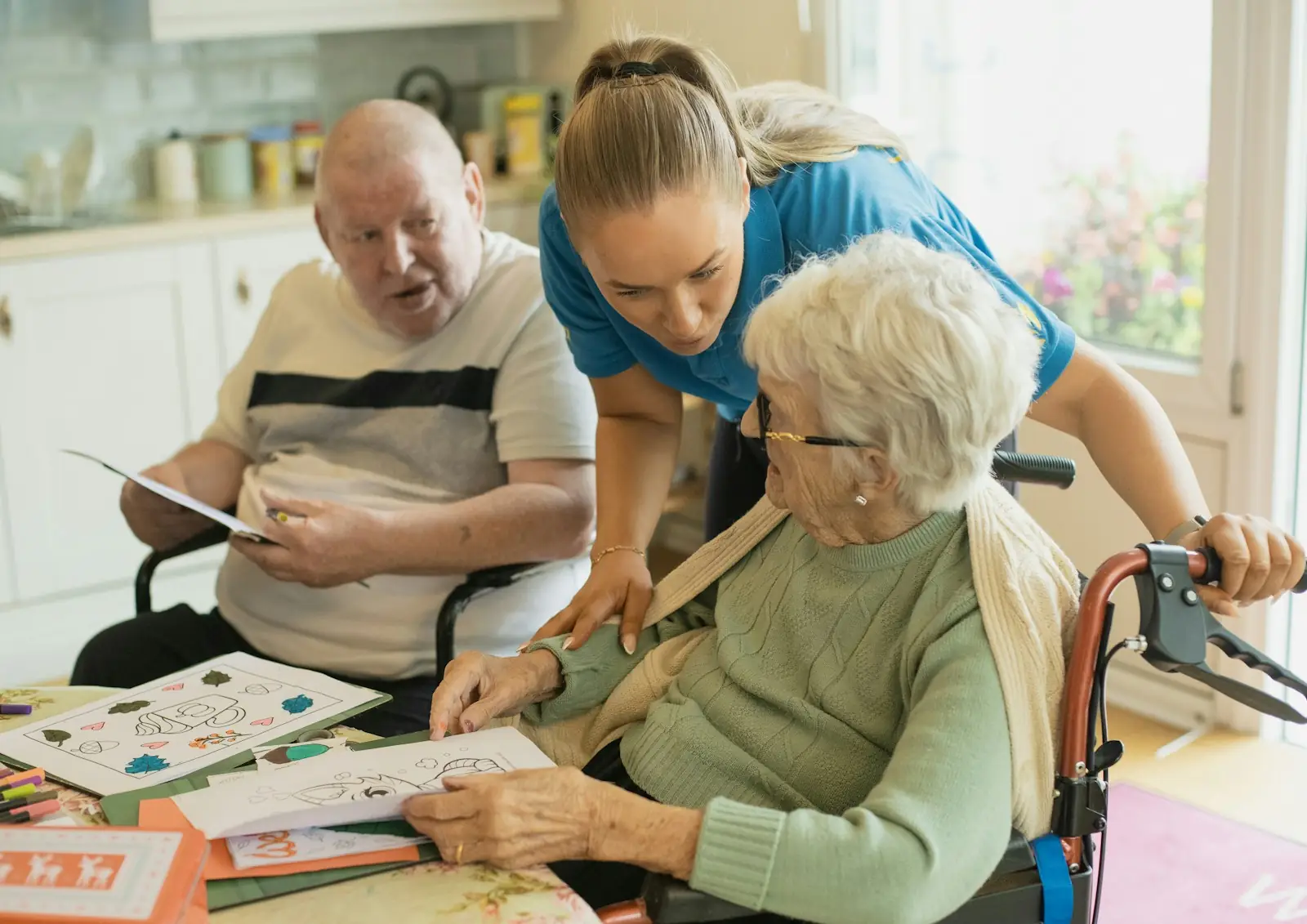 Non-drug approachesThe best non-drug dementia care finds the cause of distress and changes care around it, using methods like…
 Antipsychotic reductionMost nursing home residents with dementia can stop or avoid antipsychotics safely when staff treat the causes…
 For professionalsNursing homes must train aides in dementia care, plan around each resident's triggers, and document every…
 Avoidable hospitalizationsMany nursing home residents sent to the hospital could have been treated safely where they live if changes in…
 National PartnershipThe National Partnership to Improve Dementia Care is a CMS initiative, launched in 2012, to cut unnecessary…