
What person-centered care looks like
- Residents choose when to get up and go to bed, not the shift schedule.
- Meals offer real choices, flexible times and favorite foods.
- Bathing method and timing follow the resident’s preference (shower, tub or bed bath).
- Activities reflect a person’s history: gardening, music, faith, work.
- The same caregivers work with the same residents. See consistent assignment.
What the regulations say
Federal rules define person-centered care as focusing on the resident as the locus of control and supporting the resident in making their own choices. Facilities must create a baseline care plan within 48 hours of admission and a comprehensive person-centered care plan, with the resident and their representative involved (42 CFR 483.21). The MDS also asks residents directly about daily routines and activity preferences. Families can push for this at care plan meetings.
Why it matters
For people living with dementia, distress behaviors often signal an unmet need. Knowing the person helps staff respond without medication (see non-drug approaches). Person-centered care was one of the original Advancing Excellence campaign goals and remains central to the "culture change" movement. Read our full guide to person-centered care.
Frequently asked questions
What are examples of person-centered care?
Examples include letting a resident sleep in, keeping snacks available at night for someone who was a night-shift worker, playing a resident’s favorite music during care, offering a shower instead of a bath, and letting residents decorate their rooms. The common thread is that care adapts to the person.
Is person-centered care required in nursing homes?
Yes. Federal Requirements of Participation require comprehensive person-centered care plans that reflect each resident’s preferences and goals. Surveyors interview residents and observe care to check whether choices are honored, and can cite facilities that fail to do so.
What is the difference between person-centered and patient-centered care?
The terms overlap. Patient-centered care usually focuses on medical decisions during treatment. Person-centered care is broader, covering the whole person’s daily life, identity and preferences. That fits a nursing home, which is also the resident’s home.
Get help choosing care or coverage
Talk with a licensed agent about Medicare, Medigap, Medicare Advantage and ways to pay for a nursing home stay. Or call 1-800-MEDIGAP (1-800-633-4427).
Sources
Independent resource. NHQualityCampaign.org is an independent educational resource. It is not affiliated with, endorsed by or operated by the Centers for Medicare & Medicaid Services (CMS), the U.S. Department of Health and Human Services (HHS), any government agency, or the original Advancing Excellence in America’s Nursing Homes campaign or its sponsors. Historical campaign information is summarized with attribution for educational purposes.
Related reading
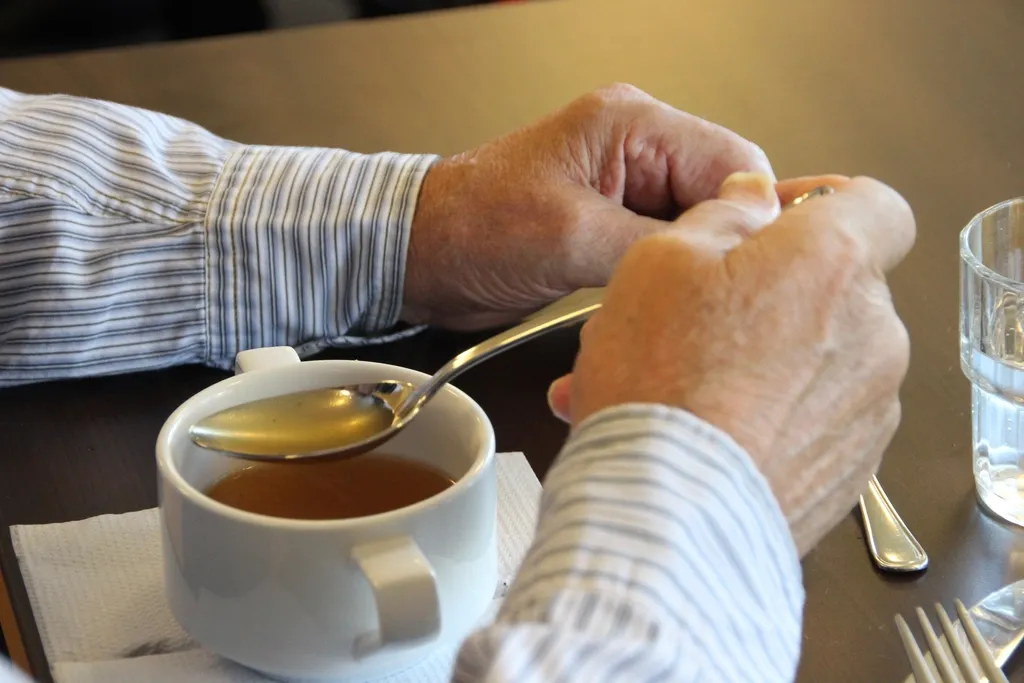 Person-centered carePerson-centered care means a resident's own preferences and goals shape daily routines, meals, activities and…
 Quality ImprovementNursing home quality improvement is the ongoing, data-driven work of making resident care safer and daily…
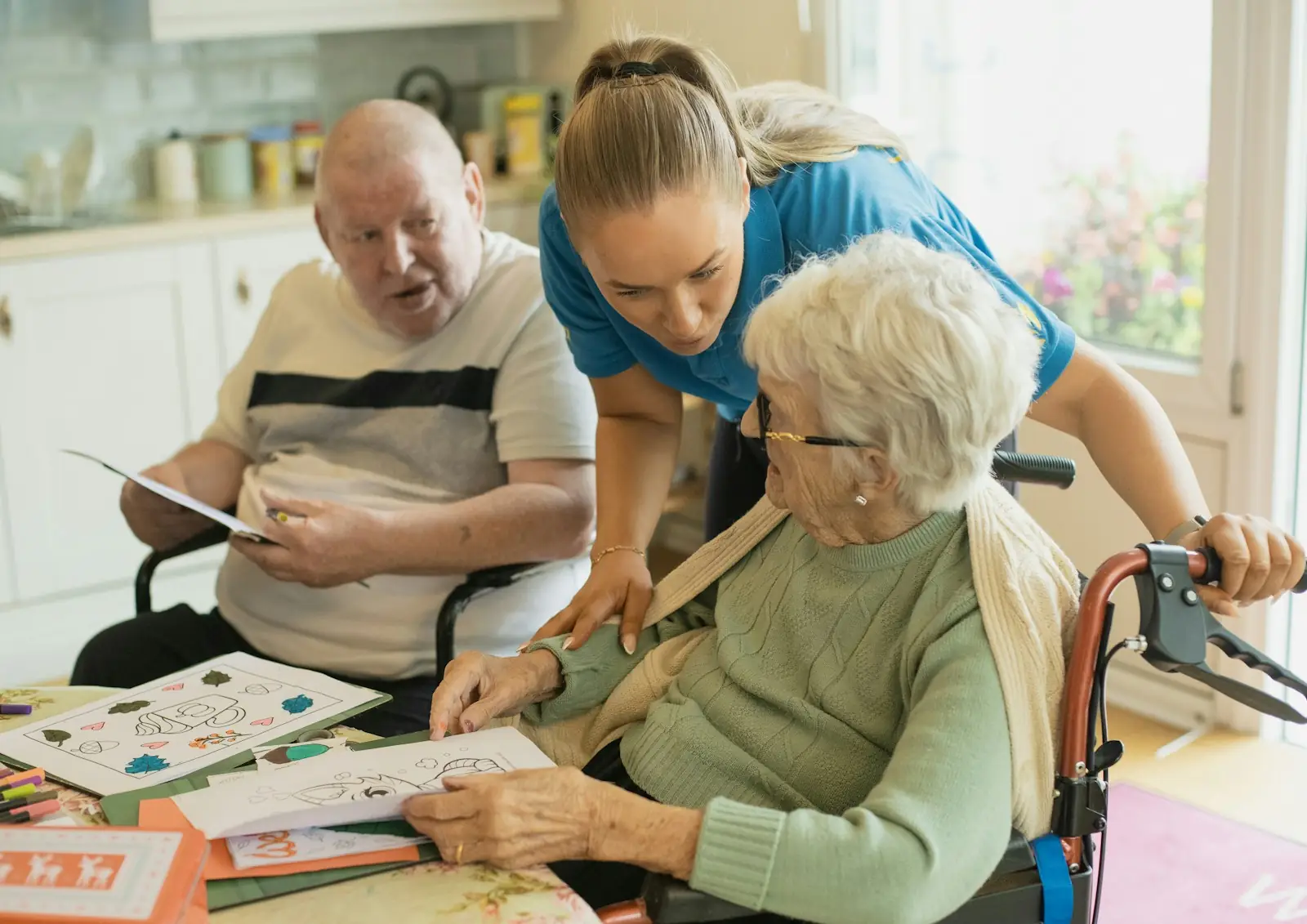 Non-drug approachesThe best non-drug dementia care finds the cause of distress and changes care around it, using methods like…
 Good star ratingA 4- or 5-star overall rating on Medicare's Care Compare is considered above average; 3 stars is roughly the…
 How star ratings workCMS starts with a nursing home's health inspection stars, then adds or subtracts a star for staffing and for…
- Residents per CNAThere is no federal CNA-to-resident ratio; ratios depend on state law and the shift. Day shifts often run…