
The main INTERACT tools
- Stop and Watch: an early-warning tool for CNAs and other staff to report changes.
- SBAR: a structured format for nurses to communicate with clinicians.
- Care paths: guidance for common conditions, such as fever, shortness of breath and falls.
- Advance care planning tools: to align care with resident goals.
- Quality improvement review: a root cause review of each hospital transfer.
Does INTERACT work?
Ouslander and colleagues reported a 17% reduction in self-reported hospital admissions across 25 nursing homes during a 6-month INTERACT II project, with larger drops in more engaged homes; the study had no control group. A 2017 randomized implementation trial of 85 nursing homes (Kane et al., JAMA Internal Medicine) found no significant overall reduction in hospitalizations or ED visits, and the authors pointed to limited implementation. The takeaway: the tools help only when they become daily practice, with leadership support and clinician engagement.
Putting INTERACT into practice
Start with one tool, often Stop and Watch, and track every transfer in QAPI. INTERACT materials are licensed through Pathway Health. Store tools and training records in a shared education library. Related reading: avoidable hospitalizations, reducing readmissions and our implementation guides.
Frequently asked questions
Who developed INTERACT?
INTERACT was developed by Dr. Joseph Ouslander and colleagues, initially with support from CMS through a Georgia quality improvement organization project, and later refined at Florida Atlantic University. It is now licensed through Pathway Health.
What is Stop and Watch in nursing homes?
Stop and Watch is an INTERACT early-warning tool that lets CNAs, housekeepers, family members and others flag changes they notice, such as eating less, new confusion or more sleepiness. It prompts the nurse to assess the resident before the change becomes an emergency.
Is INTERACT required by CMS?
No. CMS does not require a specific program. Facilities must identify and respond to changes in condition, notify physicians and families, and run QAPI. INTERACT is one widely used way to meet those expectations.
Sources
- INTERACT (Pathway Health): program site
- Ouslander JG et al. Evaluation of the INTERACT II collaborative QI project. J Am Geriatr Soc 2011 (via Commonwealth Fund)
- Kane RL et al. Randomized implementation trial of INTERACT. JAMA Intern Med 2017 (PMC)
- 42 CFR 483.75: Quality assurance and performance improvement (eCFR)
Medical disclaimer. This page is general education, not medical, legal or financial advice, and it does not replace the judgment of a qualified clinician who knows the resident. Do not start, stop or change any medication without talking to the prescriber. In an emergency, call 911.
Independent resource. NHQualityCampaign.org is an independent educational resource. It is not affiliated with, endorsed by or operated by the Centers for Medicare & Medicaid Services (CMS), the U.S. Department of Health and Human Services (HHS), any government agency, or the original Advancing Excellence in America’s Nursing Homes campaign or its sponsors. Historical campaign information is summarized with attribution for educational purposes.
Related reading
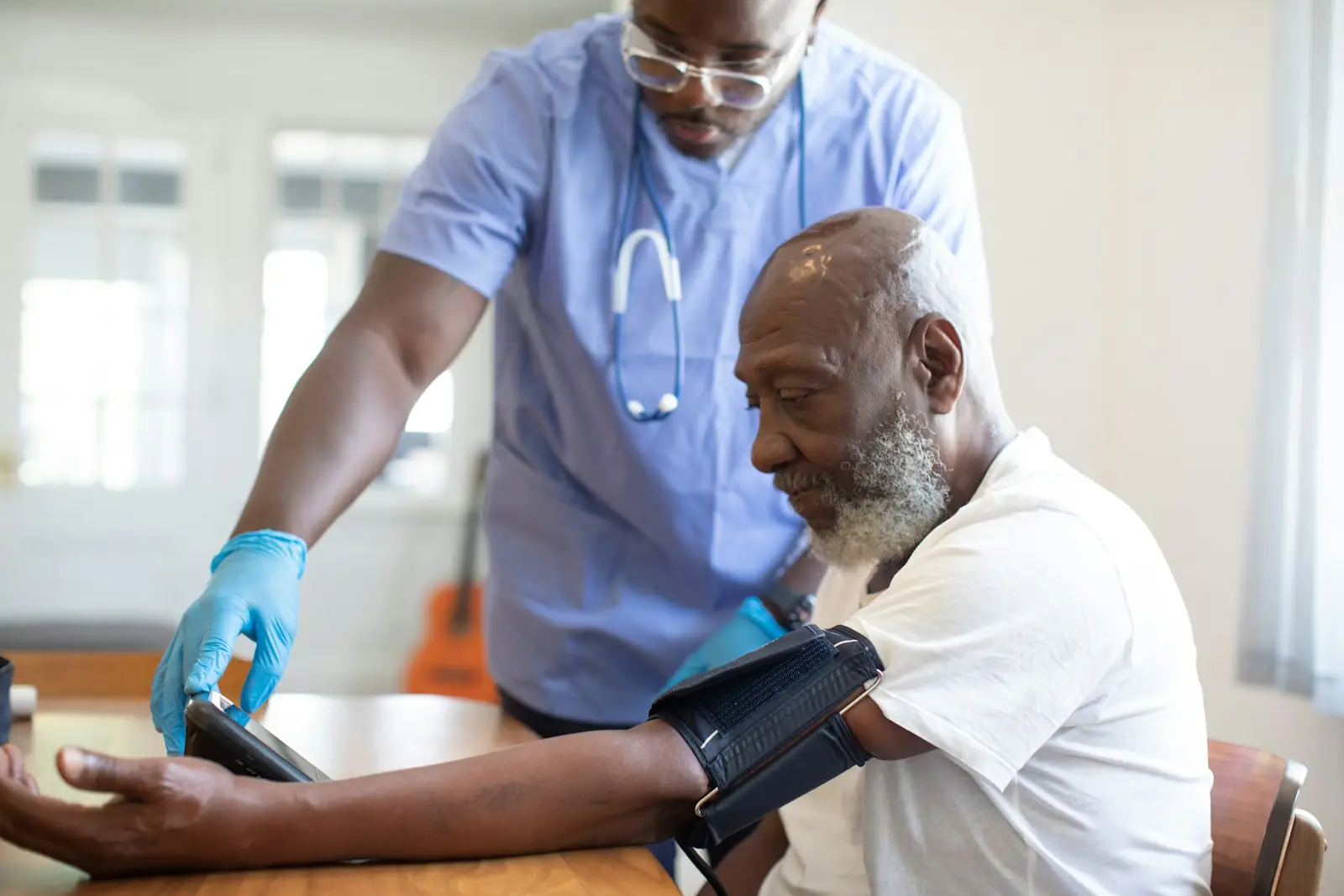 Avoidable hospitalizationsMany nursing home residents sent to the hospital could have been treated safely where they live if changes in…
 Quality ImprovementNursing home quality improvement is the ongoing, data-driven work of making resident care safer and daily…
 Implementation guidesEvery nursing home improvement project follows one arc: form a team, measure a baseline, set a target, test…
 Good star ratingA 4- or 5-star overall rating on Medicare's Care Compare is considered above average; 3 stars is roughly the…
- How star ratings workCMS starts with a nursing home's health inspection stars, then adds or subtracts a star for staffing and for…
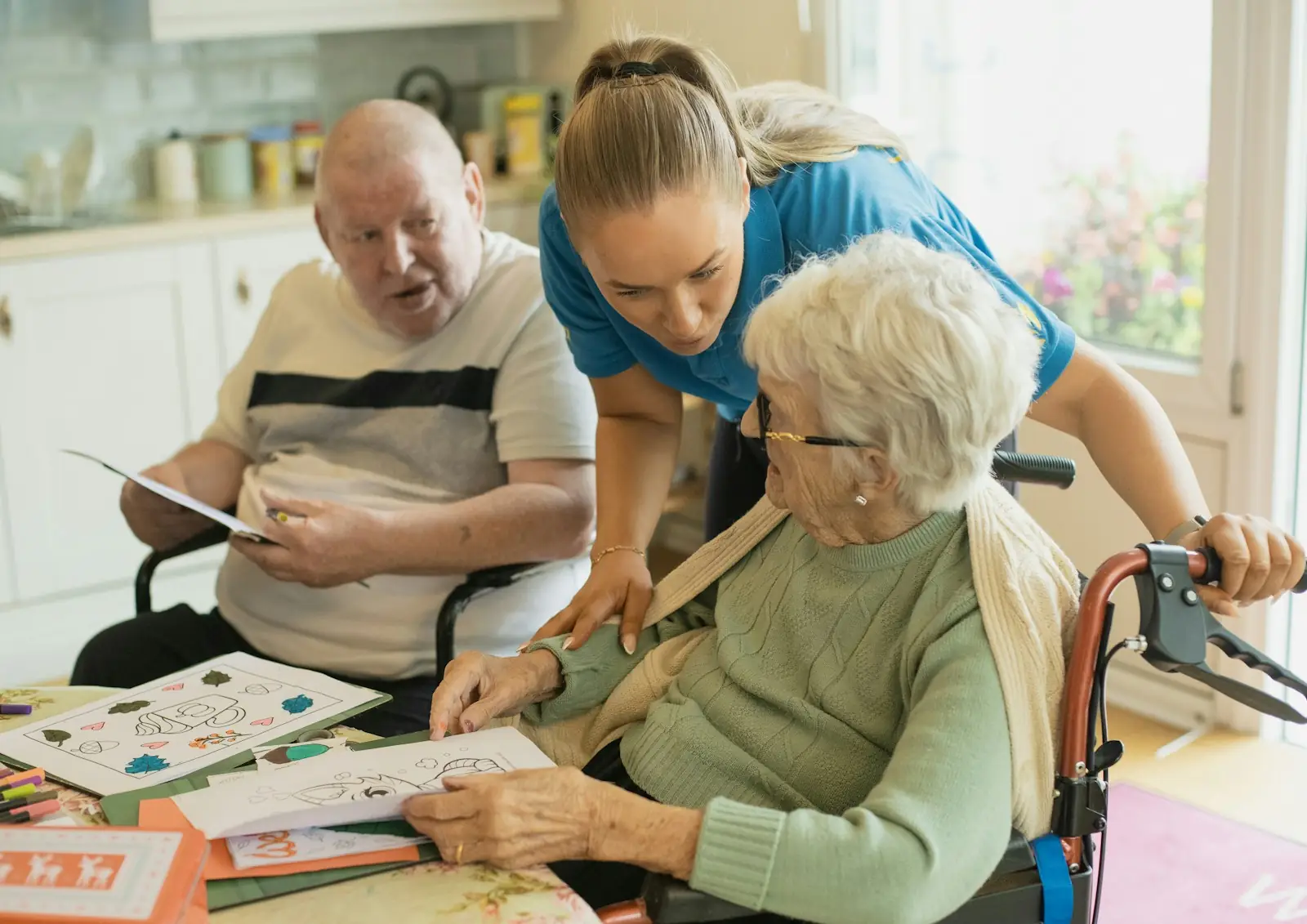 Residents per CNAThere is no federal CNA-to-resident ratio; ratios depend on state law and the shift. Day shifts often run…